Cajun Food at Acadiana Eats Festival: What Should You Try?
Are you looking forward to tasting Cajun food? The Acadiana Eats Festival brings together local restaurants, caterers, and food vendors, for the flavors that make Acadiana a food lover’s destination. For anyone looking to experience authentic Cajun food, the festival offers an opportunity to sample a great variety of familiar favorites along with dishes you may not have tried before. With so many different local vendors in one location, it can be helpful to know which Cajun dishes to look for and how to plan your food stops. This guide explores the Cajun cuisine you should consider trying, explains how Cajun and Creole food differ, and shares practical tips for making the most of your visit.
What Is the Acadiana Eats Festival?
The Acadiana Eats Festival is family-friendly event celebrating the restaurants, food vendors, music, and local culture of Acadiana. The 2026 edition, known as Acadiana Eats Festival V, expands to two days.
Here are the key details to know before you go:
- Dates and Location: The festival takes place on Friday, October 23, and Saturday, October 24, 2026, at West Village in Scott, LA. Friday’s event runs from 5:00 PM to 10:00 PM, while Saturday’s festival runs from 11:00 AM to 5:00 PM.
- Free Admission: The 2026 Acadiana Eats Festival is free to attend, making it accessible for families, locals, and visitors who want to explore the area’s food scene.
- Local Restaurants and Food Vendors: The festival brings together local restaurants, eateries, and selected food vendors, giving attendees an opportunity to explore food from businesses featured through Acadiana Eats.
- Cajun and Creole Cuisine: Food is at the center of the event, with the festival showcasing Cajun and Creole cuisine as part of its celebration of Acadiana’s culinary culture.
- Live Music and Entertainment: Live music is part of the festival experience, adding entertainment throughout the event alongside the food and other activities.
- Family Activities and Pop-Up Vendors: Families can also enjoy fall activities, interactive children’s activities, and pop-up vendors offering items such as arts, crafts, handmade goods, and children’s activities.
- Best of the Fest: Visitors can participate in the Best of the Fest voting by choosing their favorite dish, giving attendees a way to take part in recognizing local culinary talent.
With food, music, family activities, and other vendors, the festival gives visitors several ways to experience Acadiana beyond a single meal.
Why Cajun Food Is a Highlight of Acadiana
Cajun food is closely tied to Acadiana, the region of south Louisiana where Cajun culture developed. The cuisine reflects the ingredients available across the area’s prairies, bayous, wetlands, and nearby Gulf waters, along with cooking traditions passed through generations.
Several ingredients appear frequently in Cajun cooking:
- Seafood: Crawfish, shrimp, fish, and other seafood reflect Louisiana’s waterways and proximity to the Gulf.
- Rice: Rice has long been an important agricultural crop in southwest Louisiana and is used in many traditional Cajun preparations.
- Sausage and meat: Andouille, smoked sausage, pork, and other meats add depth to many Cajun dishes.
- Vegetables and seasonings: Onion, celery, and bell pepper, known as the Cajun Holy Trinity, form the flavor base for many dishes, with herbs and spices adding further character.
A single Cajun meal can bring together seafood, meat, rice, vegetables, and techniques shaped by multiple culinary influences. Food is also closely connected with family traditions and local restaurants, where recipes and cooking methods continue to be shared across generations.
For festival visitors, this variety means you can sample different types of Cajun cooking without limiting yourself to one dish or restaurant. The festival can also be an opportunity to compare Cajun offerings with the Creole dishes that may appear among the vendors.
8 Cajun Dishes to Try at the Acadiana Eats Festival
With local restaurants and food vendors coming together for the Acadiana Eats Festival, you may have several opportunities to sample Cajun and other Louisiana favorites. The exact offerings can vary by vendor and year, so consider the following dishes a guide to what you may want to look for as you explore the festival.
- Gumbo: Gumbo is a hearty Louisiana stew that can combine meat or seafood with vegetables, seasonings, and a flavorful broth or roux-based foundation. Common versions may include sausage, chicken, shrimp, or other seafood and are typically served with rice. It is a good choice if you want to sample several Louisiana ingredients in one dish.
- Jambalaya: Jambalaya is a rice-based dish prepared with a combination of meat, sausage, seafood, vegetables, and seasonings. The ingredients can vary considerably between recipes, so one preparation may feature chicken and sausage while another includes seafood. Look for it if you want a substantial dish where rice serves as the base for different meats, seafood, and seasonings.
- Étouffée: This dish differs from gumbo in both preparation and texture. It typically features seafood or another protein that is smothered in a rich, seasoned sauce and served over rice. Crawfish étouffée is particularly associated with Louisiana cuisine. Its thicker, gravy-like consistency makes it distinct from brothier dishes such as gumbo.
- Boudin: This is a traditional Louisiana sausage made with ingredients such as pork, rice, onions, peppers, and seasonings. The mixture is traditionally enclosed in a casing, although boudin is also served in other forms, including boudin balls. Its combination of seasoned meat and rice makes it a distinctive Cajun food to seek out if you want to try something beyond a bowl or plate-based entrée.
- Crawfish Dishes: Crawfish is closely associated with Louisiana food culture and appears in a wide range of preparations. At the festival, the exact preparation may depend on the vendor, so you may encounter crawfish incorporated into different dishes instead of a single standard presentation. If you enjoy seafood, look for a crawfish-based dish and see how the vendor incorporates this Louisiana favorite.
- Cracklins: Cracklins are crispy pieces of pork that are fried until the skin and fat become crisp, often with some meat attached. They are a familiar part of Cajun food culture and can be enjoyed as a snack or alongside other Louisiana foods. Their crisp texture and savory flavor also make them an easy option to share while exploring other vendors.
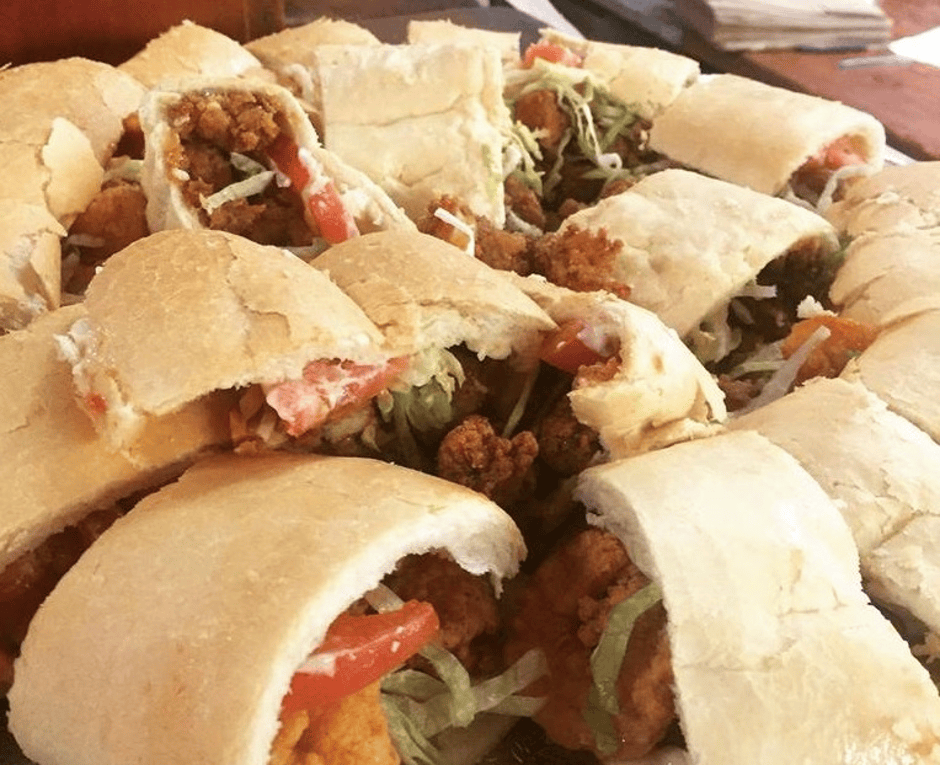
- Po’ Boys: A po’ boy is a Louisiana sandwich traditionally served on French bread with a variety of fillings. Seafood versions may feature fried shrimp, oysters, or other seafood, while roast beef and other fillings are also common. At the festival, the preparation will depend on the vendor, so check the available fillings if you want to try this Louisiana sandwich classic.
- Cajun Desserts or Sweet Treats: After sampling savory Cajun food, leave room for something sweet. The festival’s broader vendor mix includes opportunities for baked goods and other treats, although specific dessert offerings can change.
Rather than looking for one specific dessert, check the current vendor lineup for sweet options available during the festival. This also gives you a chance to try a local baked good or treat you may not have planned to order.
What Is the Difference Between Cajun and Creole Food?
Cajun and Creole food are two distinct Louisiana culinary traditions, but their ingredients, techniques, and dishes often overlap. Understanding their roots can help explain some of the differences you may notice on a Louisiana menu.
- Cultural Roots: Cajun cuisine developed among French Acadian settlers who settled in South Louisiana after being displaced from Acadia in the 1700s. Creole cuisine developed largely in New Orleans through the influence of French, Spanish, African, Caribbean, Native American, German, and Italian cultures.
- Regional Influences: Cajun cooking is closely associated with Acadiana and reflects the resources of rural South Louisiana, including seafood, rice, meats, and locally available ingredients. Creole cooking developed in the more cosmopolitan environment of New Orleans, where access to a broader range of ingredients and cultural influences shaped the cuisine.
- Ingredients and Cooking Styles: Both cuisines use ingredients such as onions, celery, bell peppers, seafood, rice, and seasonings. Creole dishes are often associated with tomatoes and layered sauces, while Cajun cooking is commonly associated with hearty one-pot preparations, darker roux, smoked meats, and bold seasoning. These are useful tendencies, not absolute rules.
- Why They Overlap: Recipes and cooking traditions have been shared and adapted over time, so the distinction is not always obvious from a single dish. You can find both Cajun and Creole versions of dishes such as gumbo and jambalaya, with differences in ingredients and preparation.
At the Acadiana Eats Festival, you may encounter both Cajun and Creole influences. Recognizing that the two traditions can overlap while still having different histories and characteristics can help you understand the variety of food represented at the event.
How to Choose What to Eat at the Festival
With multiple restaurants and food vendors participating, deciding what to eat at the Acadiana Eats Festival can be part of the fun. A simple approach can help you sample more variety without filling up too quickly.
- Start With One Classic: Begin with a familiar Cajun dish such as gumbo, jambalaya, or boudin. Starting with something recognizable gives you a reference point before trying less familiar options.
- Look for Something You Haven’t Tried: Once you’ve had a familiar favorite, consider choosing a dish or preparation that is new to you. A food festival is a good setting for trying something you might not order as a full meal.
- Share When Possible: If a vendor offers a portion that is suitable for sharing, split it with family or friends. This can give everyone an opportunity to taste more than one vendor’s offerings.
- Balance Your Choices: Pay attention to the types of dishes you select. Mixing different preparations can give you a broader experience than choosing several dishes with similar ingredients or cooking methods.
- Save Room for Dessert: If you have a sweet tooth, avoid filling up on savory foods early in your visit so you have room to try a dessert or baked treat.
- Check the Vendor Lineup: Participating vendors and their offerings can change, so check the latest festival information before your visit. Use the current lineup to identify any dishes or vendors you especially want to try.
Tips for Enjoying the Acadiana Eats Festival
A little planning can make it easier to enjoy everything the Acadiana Eats Festival has to offer. Along with food, the 2026 event includes live music, family activities, pop-up vendors, and Best of the Fest voting, so plan to spend some time exploring the festival beyond the food stalls.
- Check the Event Schedule: Review the latest festival schedule before you arrive so you know when the event starts, when entertainment is scheduled, and how much time you have to explore.
- Review Participating Vendors: Check the current vendor information before the festival. This can help you identify restaurants, food vendors, and pop-up vendors you may want to visit.
- Keep Your Plans Flexible: Have a few foods or vendors in mind but leave some room for unexpected finds. The vendor lineup may give you opportunities to discover something that was not part of your original plan.
- Bring Family or Friends: Attending with others can make it easier to share food, explore different vendors, and enjoy the festival activities together.
- Make Time for Live Music and Activities: Do not plan your visit entirely around food. Set aside time for live music, family activities, and other attractions taking place during the festival.
- Check for Updates Before You Go: Event schedules, vendor information, and other details can change. Review the latest festival information for updates on parking, participating vendors, activities, and timing before heading to West Village.
Keep Exploring Cajun Food Beyond the Festival
Planning to enjoy more Cajun food after the Acadiana Eats Festival? You can continue exploring the flavors of Acadiana with Cajun Food Tours. Guided food tours offer another way to sample regional favorites, visit local eateries, and learn more about the food traditions of Lafayette and the surrounding area. Ready to keep the Cajun food adventure going? Book a Cajun food tour and taste more of what Acadiana has to offer.
FAQs
- What food is Acadiana Eats Festival known for?
The festival showcases Cajun and Creole dishes, along with local restaurant offerings and a rotating selection of foods from participating vendors.
- What Cajun dishes should I try at Acadiana Eats Festival?
Consider looking for classics such as gumbo, jambalaya, étouffée, boudin, crawfish dishes, cracklins, po’ boys, and local sweet treats. Availability can vary by vendor and year.
- Is Acadiana Eats Festival free?
Yes, the 2026 Acadiana Eats Festival is free to attend.
- Is Acadiana Eats Festival family-friendly?
Yes, the 2026 festival is described by the organizers as family-friendly and includes activities for children and families.
- Where is Acadiana Eats Festival held?
The 2026 Acadiana Eats Festival is held at West Village, 1001 Apollo Road, Scott, Louisiana.