Acadian Culture in Louisiana: History, Traditions, and Food
Louisiana has a food and cultural history that goes much deeper than gumbo and jambalaya. Behind many of the traditions found across South Louisiana is a story that began with French-speaking settlers who arrived in the region centuries ago.
Acadian Culture grew from the lives, struggles, traditions, and foodways of Acadian settlers. Over time, their traditions mixed with the local environment and other cultural influences. This helped shape the Cajun identity that Louisiana is known for today.
You can still see these connections in local music, language, family gatherings, festivals, and, of course, food. Walk into a local restaurant in Lafayette and you may taste a recipe that carries a story from generations ago.
Let’s look at where this story began and how it still shapes life in Louisiana today.
What Is Acadian Culture?
Acadian Culture refers to the traditions, history, language, food, music, and way of life developed by the Acadian people.
The Acadians originally settled in parts of present-day eastern Canada, including Nova Scotia, New Brunswick, and Prince Edward Island. They built communities around farming, fishing, family life, and their rural French heritage.
When many Acadians much later ended up in Louisiana, they brought their traditions with them. They also adapted to their new surroundings.
This created a distinct regional identity that eventually became closely connected with Cajun life.
What Is Acadian Culture Known For?
It is known for strong family connections, French heritage, music, dancing, storytelling, community gatherings, and traditional food.
Food plays a particularly important role. Families often gather around large pots of food, share recipes, and teach younger generations how to cook.
That tradition still feels familiar today. A family meal in South Louisiana can easily turn into a long afternoon of talking, laughing, and sharing stories.
The History of Acadians in Louisiana
The story of Acadian settlers in Louisiana began during a difficult period in North American history.
Where Did the Acadians Come From?
The Acadians came mainly from French settlements in what is now Canada’s Maritime region.
They developed farming communities and built a strong French-speaking identity. Their location near the Atlantic also made fishing and trade important parts of daily life.
For generations, they created homes and communities in the region.
The Acadian Deportation
During the 1750s, British authorities removed thousands of Acadians from their homes. This event became known as the Acadian Deportation.
Families were separated, communities were broken apart, and many Acadians were sent to different parts of North America.
Some eventually made their way to Louisiana.
Their arrival changed the cultural landscape of South Louisiana.
Why Did Acadians Settle in Louisiana?
During the Spanish Colonial period in Louisiana, Spain was giving away vast tracks to free land to those who would become farmers.
Louisiana offered an environment where Acadian families could build new communities.
The wetlands, bayous, rivers, and fertile areas reminded some settlers of the natural surroundings they knew before. They also found a French-speaking population and Catholic communities that helped them maintain parts of their identity.
Over time, Acadian settlers adapted to Louisiana’s climate, resources, and local way of life.
From Acadian to Cajun
The word “Cajun” is an anglo-corruption of the word “Acadian.”
As generations passed, the people who settled in Louisiana developed their own regional identity. Their French heritage remained important, but local influences shaped their language, music, food, and customs.
This connection between Acadian roots and Cajun identity remains an important part of Louisiana’s history.
Acadian Culture and Traditions That Still Exist Today
Many traditions have survived because families continue to pass them from parents and grandparents to younger generations.
Some traditions include:
- Family gatherings around large meals
- French-language expressions
- Community festivals
- Traditional dancing
- Storytelling
- Local music
- Traditional recipes
- Religious and family celebrations
These customs may look different from one family to another. That’s part of what makes the culture interesting.
A tradition doesn’t always need to look exactly the same after 100 years. Sometimes it survives simply because people continue to cook the same dish, play the same music, or tell the same family story.
Acadian Music and Dance
Music has always had a strong place in South Louisiana communities.
Traditional music often includes the fiddle and accordion, along with other instruments that create the lively sound associated with Cajun and regional Louisiana music.
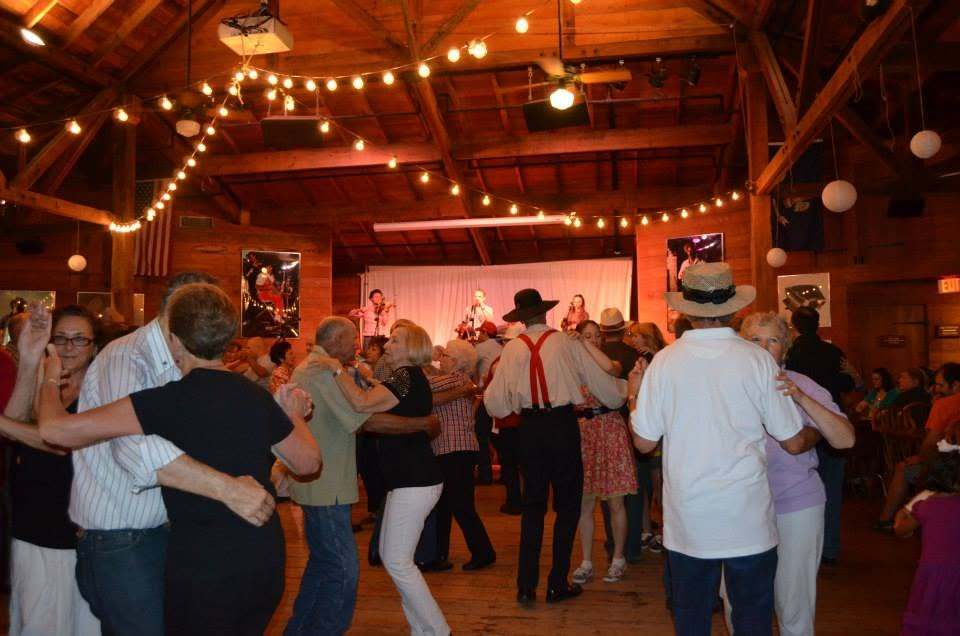
Dancing often goes hand in hand with the music.
Local dance halls, festivals, and community events give people a place to gather and enjoy these traditions together. For visitors, attending one of these events can provide a much better sense of local life than simply reading about it.
Music also shows how traditions can change while keeping their original character.
Acadian Language and Louisiana French
Language remains another important connection to Acadian roots.
Many Acadian descendants in Louisiana historically spoke French. Over time, Louisiana French developed its own regional expressions, pronunciation, and vocabulary.
Today, English dominates everyday communication for most residents, but French remains an important part of the state’s cultural history.
You’ll still hear French words and phrases in some homes, restaurants, music, festivals, and community events.
For many families, keeping the language alive means keeping a connection to their ancestors.
Acadian Food: How Food Preserves Culture
Food may be one of the easiest ways to understand a culture.
Traditional Acadian cooking relied heavily on ingredients that families could find locally. Fish, seafood, rice, vegetables, pork, and other available foods became important parts of everyday meals.
As families settled in Louisiana, they adapted their cooking to local ingredients and conditions.
That helped shape many dishes now associated with Cajun cooking.
Traditional Foods Connected to Acadian and Cajun Culture
Some popular dishes include:
- Gumbo
- Jambalaya
- Boudin
- Crawfish étouffée
- Rice and gravy
- Cracklins
- Seafood dishes
- Corn-based sides
These meals aren’t just about taste. They also represent family gatherings, celebrations, local ingredients, and recipes passed down over time.
For example, a big pot of gumbo can feed a whole family. One person may prepare the roux while someone else chops vegetables. Another family member may handle the seafood.
Cooking becomes a group activity.
That’s a big part of the charm.
Acadian vs. Cajun Culture: What’s the Difference?
Acadian and Cajun are closely connected, but they aren’t exactly the same thing.
Acadian refers to the people and traditions that developed from French settlers in parts of eastern Canada and their descendants.
Cajun refers to the cultural identity that developed among Acadian descendants in Louisiana, along with influences from the region.
You can think of Acadian heritage as part of the foundation, while Cajun culture developed later in the Louisiana setting.
Food, language, music, and local customs all show how those roots changed over time.
What Is Acadian Culture Day?
Acadian Culture Day refers to celebrations that recognize Acadian heritage, history, language, music, and traditions.
Different communities may mark Acadian heritage on different dates or through local festivals and cultural programs.
These events often include music, traditional food, dancing, storytelling, and activities for families.
If you’re visiting Louisiana during a local cultural celebration, check the event schedule before you go. A festival can give you a much closer look at local traditions than a standard sightseeing trip.
How Food Tours Help Visitors Experience Acadian Culture
Food can tell you a lot about a place.
A guided food tour in Lafayette can connect local dishes with the people, places, and stories behind them. Instead of simply ordering a meal and moving on, visitors can learn why certain ingredients became popular and how recipes changed over generations.
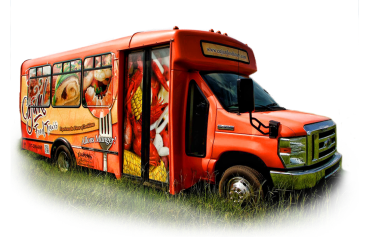
Cajun Food Tours offers visitors a way to connect local food with the history and traditions of Acadiana.
This can be especially helpful for first-time visitors.
You may know that gumbo or boudin is popular, but hearing the story behind the dish makes the meal feel different. You start seeing food as part of the local identity rather than just another item on a menu.
Final Thoughts
Acadian Culture has left a lasting mark on Louisiana.
The story begins with French-speaking settlers in Canada, continues through the hardships of the Acadian Deportation, and carries on through the communities that formed in South Louisiana.
Today, those roots remain visible in food, music, language, family traditions, and community celebrations.
The connection between Acadian heritage and Cajun identity also shows how cultures can change without losing their roots. Recipes adapt. Languages change. Music gets new influences. Yet the stories continue.
And food remains one of the easiest ways to connect with that history.
Ready to Taste Louisiana’s Culture?
Ready to taste the culture of Louisiana?
Book a Cajun Food Tour to enjoy authentic Louisiana cuisine, hear the stories behind local dishes, meet local food experts, and connect with the food traditions that make Acadiana special.
Frequently Asked Questions
What is Acadian Culture in Louisiana?
It refers to the heritage, traditions, language, food, music, and history connected to Acadian settlers and their descendants in Louisiana.
Where did the Acadians originally come from?
The Acadians mainly came from French settlements in Canada’s Maritime region, including Nova Scotia.
How did Acadians become Cajuns?
Acadian settlers who moved to Louisiana gradually developed a distinct regional identity. The term Cajun evolved from the word Acadian.
What foods are connected to Acadian and Cajun heritage?
Gumbo, jambalaya, boudin, crawfish étouffée, rice and gravy, and various seafood dishes are strongly connected with the food traditions of South Louisiana.
What is Acadian Culture Day?
It refers to cultural celebrations that honor Acadian heritage. Events may include traditional music, food, dancing, history programs, and community activities.
Can a food tour teach me about Acadian heritage?
Yes. A local food tour can connect traditional Louisiana dishes with the history, people, ingredients, and customs behind them.