Traditional Cajun Food vs Modern Cajun Cuisine
Louisiana’s food culture is rooted in family recipes, local ingredients, and generations of cooking knowledge. At the same time, chefs across Acadiana are putting fresh ideas on familiar dishes. This creates an interesting question for visitors and food lovers: what separates traditional dishes from newer interpretations?
Both styles share the same foundation: bold seasoning, local ingredients, slow cooking, and a strong connection to Louisiana’s culture. The difference often comes down to ingredients, preparation, presentation, and how chefs adapt recipes for today’s diners.
Whether you are planning a trip to Lafayette or simply want to understand Louisiana’s food traditions, comparing these two approaches gives you a better appreciation of what is on the plate.
What Is Traditional Cajun Food?
Traditional Cajun Food developed from the cooking traditions of the Cajun people of southern Louisiana. It was shaped by family kitchens, rural communities, available ingredients, and the need to make satisfying meals from what was locally accessible.
Classic dishes often rely on a flavorful base of onion, celery, and bell pepper. This foundation is combined with meats, seafood, rice, vegetables, and seasonings to create hearty meals.
Common examples include:
- Chicken and sausage gumbo
- Crawfish étouffée
- Jambalaya
- Boudin
- Rice and gravy
- Cajun-style beans
- Corn and seafood dishes
Traditional cooking also values time. A gumbo may simmer for hours, while a roux requires patience and attention. These methods help build layers of flavor rather than relying on one strong ingredient.
What Is Modern Cajun Cuisine?
Modern Cajun Cuisine keeps many familiar flavors while giving chefs more room to experiment. The goal is not necessarily to replace older recipes. Instead, chefs may change ingredients, cooking techniques, portion sizes, or presentation.
A modern restaurant might serve a familiar Louisiana dish with:
- A lighter sauce
- Seasonal vegetables
- A different protein
- Contemporary plating
- A creative appetizer format
- Ingredients influenced by other culinary traditions
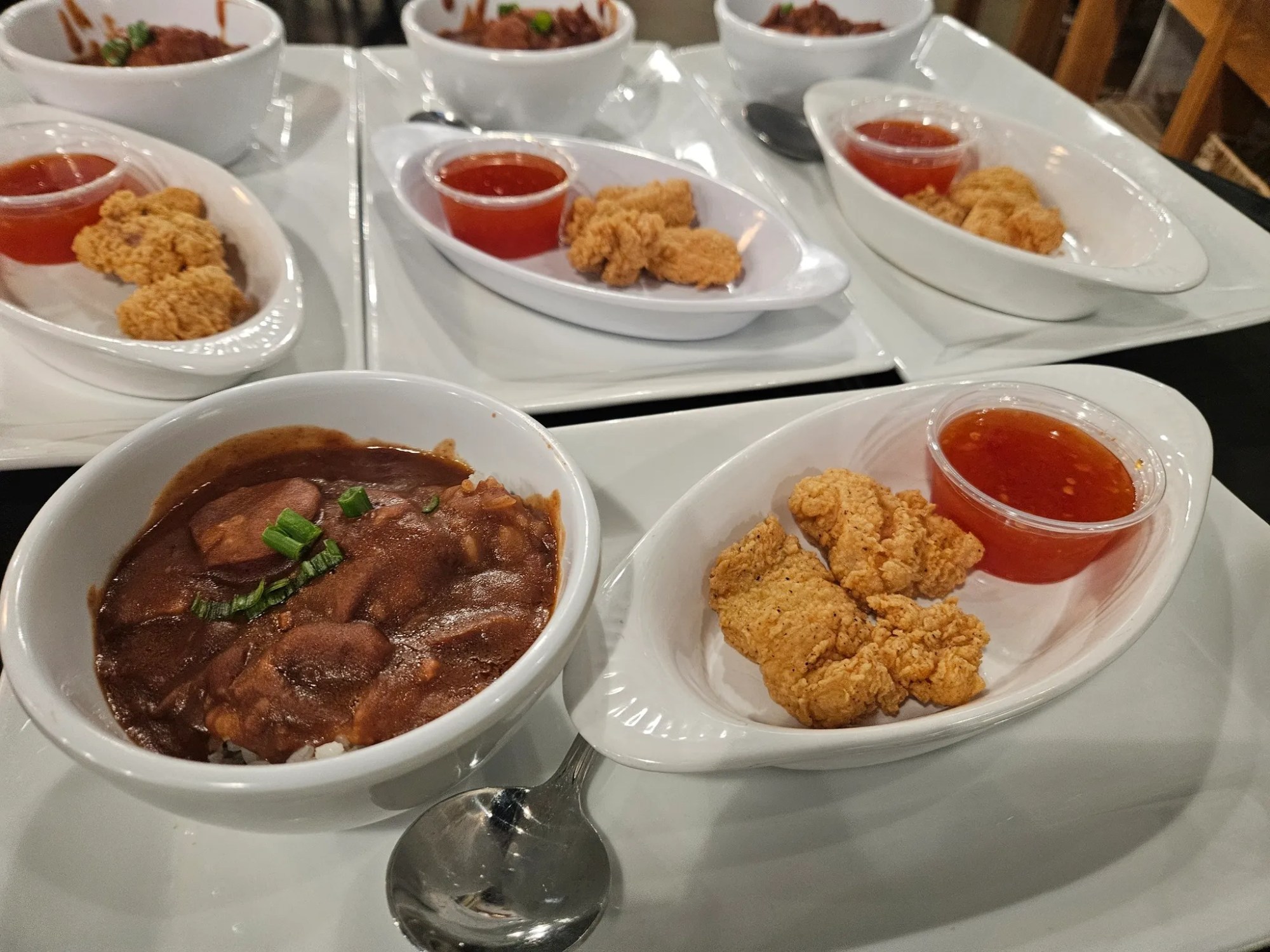
For example, a chef could take the flavors associated with étouffée and present them in a smaller plated dish. Another might use locally sourced produce to give a classic recipe a seasonal twist.
This approach can make familiar flavors appealing to diners who want something recognizable but different.
Traditional Cajun Food vs Modern Cajun Cuisine: Key Differences
The biggest difference is the way each style approaches tradition.
| Feature | Traditional approach | Modern approach |
| Recipes | Family and regional recipes | Classic recipes with creative changes |
| Ingredients | Common local staples | Local, seasonal, and broader ingredients |
| Cooking | Time-tested techniques | Traditional plus newer techniques |
| Presentation | Hearty and casual | More refined or artistic |
| Portion style | Generous comfort-food portions | Flexible portions and tasting-style plates |
| Purpose | Preserve culinary heritage | Adapt heritage for contemporary diners |
These differences do not mean one style is more authentic or better. They simply reflect different ways of connecting food with people.
Ingredients That Connect Both Styles
Despite their differences, both approaches depend on ingredients that give Louisiana cooking its identity.
The holy trinity of onion, celery, and bell pepper is one important example. Rice, seafood, smoked meats, herbs, spices, and flavorful stocks also appear across many regional dishes.
Seafood is particularly important in Acadiana. Crawfish, shrimp, crab, and other Gulf ingredients can appear in everything from everyday meals to restaurant specials.
Seasoning is another shared feature. The level of heat may vary, but chefs often build flavor through a combination of spices, aromatics, cooking time, and quality ingredients.
How Cooking Techniques Have Changed
Traditional cooks often relied on methods passed down through families. Cast-iron cookware, heavy pots, slow simmering, frying, braising, and roux-making remain important parts of the culinary story.
Modern chefs may use equipment and techniques that were less common in home kitchens generations ago. They can control cooking temperatures more precisely, create different textures, and present dishes in new ways.
However, modern techniques do not automatically make a dish less connected to its roots. A chef can use contemporary equipment while still respecting the flavors and ingredients that define the region.
Is Modern Cajun Cuisine Still Authentic?
Yes, modern dishes can still have a strong connection to Cajun culture when they respect the food’s history and regional character.
Authenticity is not always about following one recipe word for word. Food traditions naturally change as families move, ingredients become available, and new generations begin cooking.
The key is understanding the foundation before changing it. A chef who knows why a dish is prepared in a particular way can make thoughtful adjustments without losing its character.
That is why modern interpretations can exist alongside heritage recipes rather than replacing them.
Why Lafayette Is a Great Place to Compare Both Styles
Lafayette and the surrounding Acadiana region offer a strong setting for understanding Louisiana food traditions. Local restaurants, markets, festivals, and family-owned food businesses help keep regional cooking visible in everyday life.
Visitors can encounter familiar dishes prepared in traditional ways and also find chefs adding their own ideas. This makes the area useful for anyone interested in seeing how food culture continues to evolve.
A food tour can make this comparison even more meaningful because a local guide can explain the stories, ingredients, traditions, and cultural influences behind different dishes.
Frequently Asked Questions
What is the difference between traditional and modern Cajun food?
Traditional Cajun Food generally follows established regional recipes and time-tested cooking methods. Modern Cajun Cuisine may use the same flavor foundations while changing ingredients, techniques, portions, or presentation.
Is modern Cajun cuisine authentic?
Modern Cajun Cuisine can be authentic when it respects the history, ingredients, flavors, and cultural traditions behind the dishes. Authenticity can allow thoughtful adaptation rather than requiring every recipe to remain unchanged.
What are some traditional Cajun dishes?
Popular examples include gumbo, jambalaya, crawfish étouffée, boudin, rice and gravy, and Cajun-style beans. Recipes can vary between families and communities.
Are traditional Cajun dishes always spicy?
Not necessarily. Traditional dishes can be flavorful without being extremely hot. Seasoning balances herbs, spices, aromatics, meat, seafood, and other ingredients rather than simply adding heat.
Where can I try Cajun food in Lafayette?
Lafayette has restaurants, markets, and food experiences where visitors can try regional dishes. A guided food tour is another way to sample local specialties while learning about the culture behind them.
Conclusion
Traditional Cajun Food and Modern Cajun Cuisine are not competing ideas. They are two parts of a living food culture. One preserves recipes, techniques, and memories passed through generations, while the other gives chefs space to adapt familiar flavors for modern diners.
Together, they show why Cajun Cuisine remains an important part of Louisiana’s identity. The best way to understand the difference is to taste both styles and learn the stories behind them.
Planning a visit to Lafayette? Join Cajun Food Tours for a guided taste of local dishes, food traditions, and the culture that makes Acadiana special. Book your Cajun food tour and experience the flavors of Lafayette with a local perspective.