The Most Popular Dishes in Cajun Cuisine (Complete Cajun Food Guide)
Cajun cuisine is one of the boldest and most loved regional food traditions in the United States, known for its rich flavors, smoky roux, and heartwarming rice dishes. It blends French, African, Spanish, and Native American influences.
This guide lists some of the most popular Cajun dishes, what they’re made of, and how to experience them on a Louisiana food tour.
The most popular Cajun dishes include gumbo, jambalaya, étouffée, dirty rice, red beans and rice, boudin, boiled crawfish, po’ boys, maque choux, and sauce piquante.
What Defines Cajun Cuisine
Cajun cuisine is defined by its hearty, spicy, and flavorful “country” food, rooted in French, African, and Native American influences. Many classic Cajun dishes reflect this rich culinary heritage, combining bold seasonings with simple, locally available ingredients. Key characteristics include the use of the “holy trinity” of onions, bell peppers, and celery, generous seasoning with spices, and the incorporation of local ingredients like crawfish, rice, and smoked meats.
Cajun cuisine is often prepared in one-pot meals like jambalaya and gumbo, with a focus on using every part of the animal and making large quantities for sharing. These traditional Louisiana dishes are known for being resourceful, rustic, hearty, and packed with flavor.
Key Elements:
- The Holy Trinity: Onion, bell pepper, and celery.
- Roux: A cooked mix of flour and fat, often dark brown.
- Rice: Essential to many Cajun meals.
- Local Proteins: Crawfish, shrimp, sausage, pork, and chicken.
- Spices: Paprika, cayenne, black pepper, garlic, and thyme.
Cajun food focuses on layering flavor—spicy but not overwhelming—and creating slow-cooked comfort food meant to be shared among friends and family. From gumbo and jambalaya to crawfish and smoked sausage dishes, classic Cajun dishes showcase the bold flavors and traditions that make Louisiana dishes so distinctive.
The Most Popular Dishes
Here are the signature dishes you will encounter again and again on any serious Cajun food tour. we’ll cover what they are, what makes them unique, and tips for trying the “best version.”
- Gumbo: The Heart of Cajun Cuisine
What it is: A thick, flavorful soup made with roux, the Holy Trinity, and a mix of meats or seafood, served over rice.
Common ingredients: Andouille sausage, chicken, shrimp, okra, filé powder (sassafras).
Taste: Smoky, spicy, and deeply savory.
Why it’s iconic: Gumbo represents Cajun culture, it’s community food, simmered slow and served in large gatherings.
Pro tip: Try seafood gumbo along the Louisiana coast, and chicken-and-sausage gumbo in Acadiana for regional differences.
- Jambalaya: Louisiana’s Rice Masterpiece
What it is: A rice-based dish with meats, vegetables, and Cajun seasonings cooked together in one pot.
Two styles:
- Cajun (Brown) Jambalaya: No tomatoes; smoky flavor from browned meat.
- Creole (Red) Jambalaya: Includes tomatoes and herbs; tangier flavor.
Texture: Rice should be separate, not mushy.
Best for: Travelers who want a single-dish Cajun experience packed with protein and spice.
- Étouffée: Smothered Seafood in a Silky Sauce
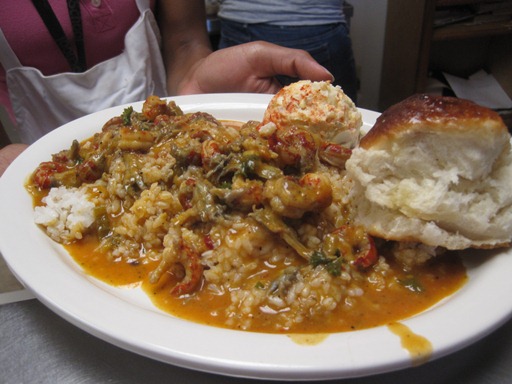
What it is: A buttery, roux-thickened stew of crawfish or shrimp, poured over rice.
Flavor: Creamy, spicy, and slightly sweet from the seafood.
Why locals love it: It highlights Louisiana’s seafood heritage with the richness of French-style cooking.
Where to try: Lafayette and Breaux Bridge are famous for crawfish étouffée year-round.
- Dirty Rice: The Unsung Hero of Cajun Cooking
What it is: White rice cooked with ground pork or chicken livers, vegetables, and spices.
Why “dirty”: The meat and seasoning give the rice a brown color.
Flavor: Earthy, savory, with a hint of spice.
- Red Beans and Rice: Louisiana’s Monday Meal
What it is: Slow-cooked red beans flavored with ham hocks, sausage, and seasonings, served over rice.
Tradition: Historically, & still traditionally, cooked on Mondays while laundry was done – simple ingredients, deep flavor.
Taste: Smoky, hearty, and comforting.
When to eat: A must-try for authentic Cajun home cooking.
- Boudin: Cajun Sausage with a Twist
What it is: Boudin is a rice-and-pork sausage seasoned with garlic, onions, and Cajun spices.
Forms:
- Steamed boudin: Soft and moist.
- Smoked boudin: Rich and smoky.
- Boudin balls: Fried, crispy snack version.
Why it stands out: It’s portable, affordable, and beloved across Louisiana.
Food stop: The town of Scott, Louisiana has been dubbed by the State of LA as the “Boudin Capital of the World.”
Fun Fact: No Cajun will EVER call boudin a “sausage;” it’s in a class by itself.
- Boiled Crawfish: The Ultimate Cajun Celebration
What it is: A communal feast of crawfish boiled in spicy seasonings along with corn, potatoes, onions, and sometimes smoked sausage.
Experience: Poured onto tables, eaten by hand, best enjoyed outdoors with music and beer.
Season: February to mid-June (crawfish season).
Taste: Spicy, smoky, briny, and addictive.
Tip: Visit during a Crawfish Festival for the full Cajun experience.
- Po’ Boys: The Sandwich That Defines Louisiana
What it is: A traditional Cajun sandwich made on French bread, filled with fried shrimp, oysters, or roast beef, and dressed with lettuce, tomato, pickles, and sauce.
Must-try version: Fried shrimp po’ boy with spicy remoulade.
Fun fact: The term “po’ boy” came from feeding striking streetcar workers (“poor boys”) in New Orleans.
- Maque Choux: Cajun Corn at Its Best
What it is: A side dish of corn, bell peppers, onions, and sometimes tomatoes, sautéed with bacon or butter.
Flavor: Sweet, smoky, and creamy.
Perfect pair: crawfish etouffee, Jambalaya or chicken sauce piquante.
- Sauce Piquante and Other Cajun Staples
Sauce piquante (pronounced “peek-ont”) is a spicy tomato-based stew with meat or seafood, served over rice.
Other traditional Cajun dishes include:
Smothered Chicken or Rabbit: Slow-cooked meats with onions & tomatoes in a spicy (“piquante”) gravy served over rice.
Chaudin or Panse: Pork and rice stuffing cooked in a pig or cow’s stomach.
These dishes are harder to find outside Louisiana but worth seeking out for true Cajun authenticity.
How to Experience Cajun Food on a Louisiana Tour
Top Cajun Food Cities:
- Lafayette: Known for boudin and crawfish étouffée.
- Breaux Bridge: The Crawfish Capital of the World.
- Lake Charles: Great gumbo and jambalaya.
- New Orleans: Home of po’ boys and Creole-influenced Cajun fare.
Travel Tip: You can visit Cajun Country any time of year, but March through May is the best season to experience crawfish season. Fall & spring are filled with local food festivals.
Summary Table: Popular Cajun Dishes at a Glance
| Dish | Description |
| Gumbo | Roux-based stew with sausage or seafood |
| Jambalaya | One-pot rice dish with meats & spices |
| Étouffée | Smothered crawfish or shrimp |
| Dirty Rice | Rice with ground meat & Cajun seasoning |
| Red Beans & Rice | Slow-cooked beans with sausage |
| Boudin | Rice & pork sausage |
| Crawfish Boil | Spiced crawfish feast |
| Po’ Boy | Fried seafood sandwich |
| Maque Choux | Cajun corn side dish |
| Sauce Piquante | Spicy tomato stew |
FAQ: Common Questions About Cajun Food
-
What is the difference between Cajun and Creole cuisine?
Cajun food is country-style, rustic, smoky, and traditionally made without tomatoes. Many famous Cajun dishes reflect this hearty cooking style, using bold spices, local ingredients, and simple preparation methods.
-
Is Cajun food always spicy?
Not really. It’s more about the layering of smoky, garlicky, peppery flavors than about heat.
-
What is Louisiana’s most famous dish?
Gumbo is considered Louisiana’s signature dish, representing both Cajun and Creole traditions.
-
When is the best time for a Cajun food tour?
It’s always a great time for a Cajun Food Tour. You can try all of these fabulous dishes year round with the one exception of boiled crawfish, as live crawfish season runs Feb thru mid-June.
-
Where can I try authentic Cajun food outside Louisiana?
You’ll find excellent Cajun restaurants in Houston, Austin, and along the Gulf Coast, but Louisiana is still the heart of Cajun cuisine. For the most authentic experience, consider joining a Cajun food tour in places like Lafayette or Breaux Bridge where you can taste gumbo, boudin, and crawfish étouffée prepared by locals who’ve perfected the craft over generations.