What Is Boudin? A Cajun Staple from Louisiana
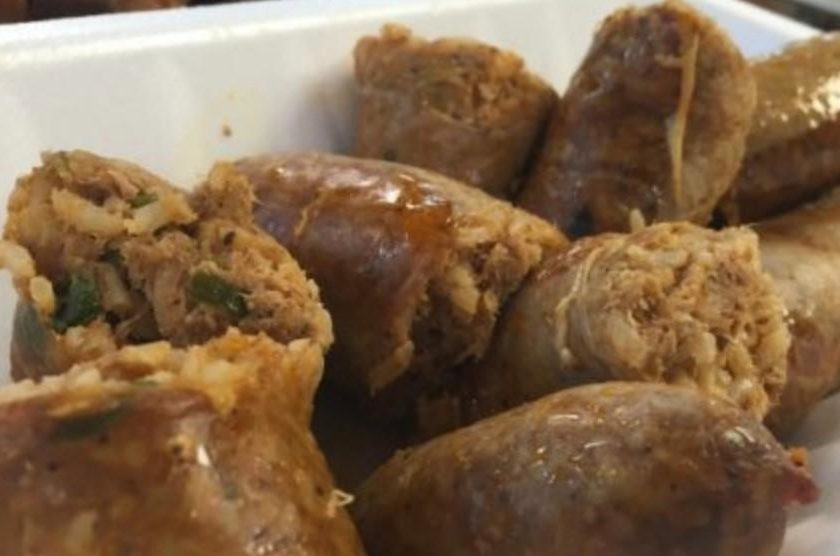
What is boudin? In South Louisiana, Cajun boudin is a traditional food made with seasoned pork, cooked rice, onions, peppers, and spices, usually stuffed into a sausage-style casing. Unlike a typical meat sausage, Cajun boudin includes rice and has a distinctive soft, flavorful filling. It’s a beloved part of Acadiana’s food culture and can be found in local meat markets, specialty shops, and other unexpected places throughout Cajun Country.
Cajun boudin is a traditional South Louisiana specialty made with seasoned pork, cooked rice, onions, peppers, and spices, all stuffed into a casing. It’s one of the most beloved foods in Cajun Country, especially around Lafayette, Louisiana, where locals enjoy it as a snack, quick meal, or part of a family gathering.
Even though Cajuns would NEVER call boudin a “sausage,” some folks, and Google, might try to describe it that way. But for us Cajuns, boudin is in a league of its own. It’s a mouthwatering mix of pork that’s been slow-cooked with onions, peppers, & spices, then mixed with cooked rice to soak up the delectable stock. This heavenly concoction is stuffed into a casing, similar to sausage but oh-so-different. Want to say it right? It’s pronounced “boo-dan,” but don’t actually pronounce that “n”, just let it tell you how to say the preceding “a.”
THE LOCAL CLASSIC
01
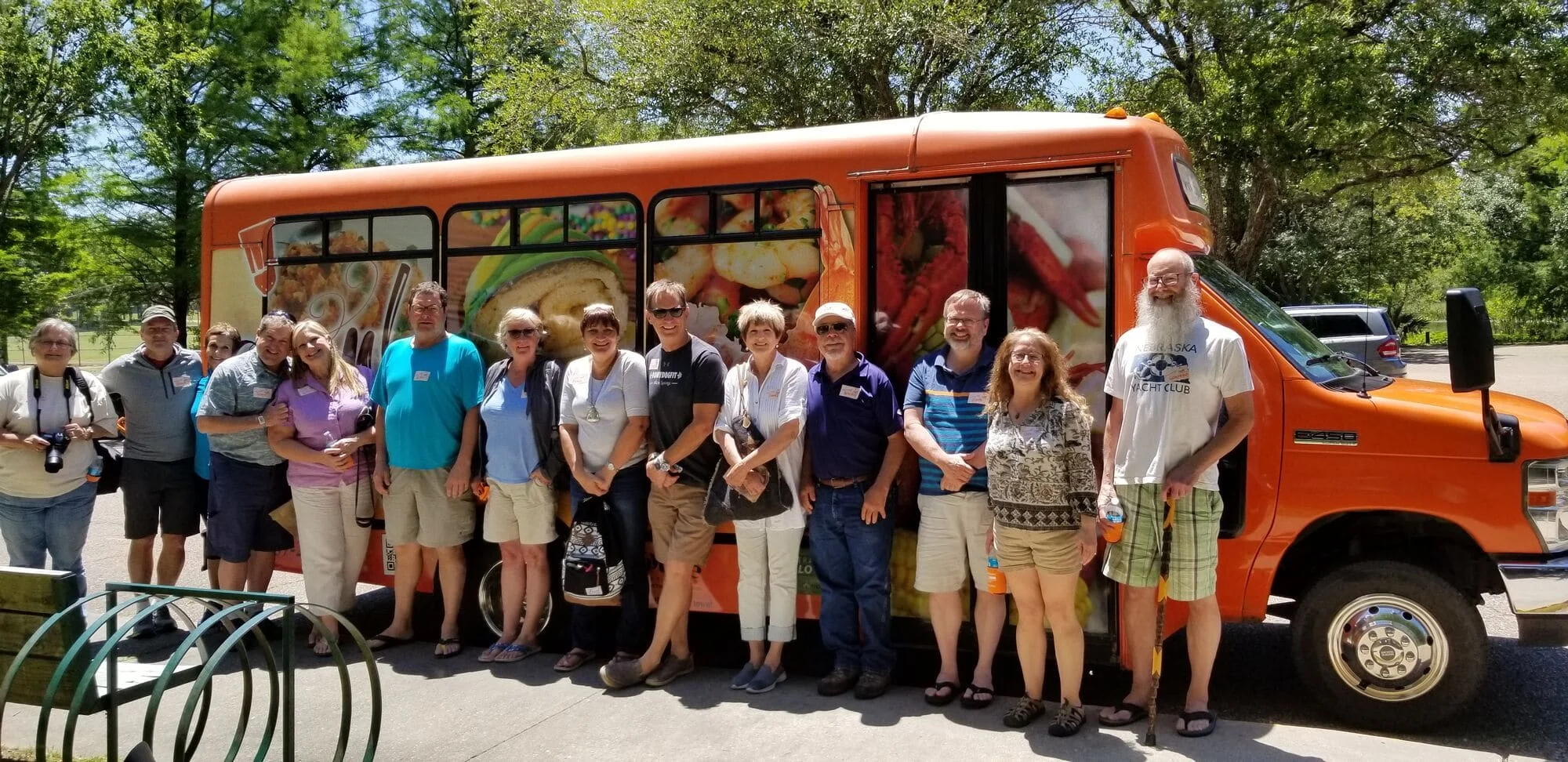
Original Cajun Food Tour
Ride our cozy customized bus to five locally owned eateries, tasting the dishes that make Cajun City taste like nowhere else.
CRAWFISH CAPITAL STROLL
02
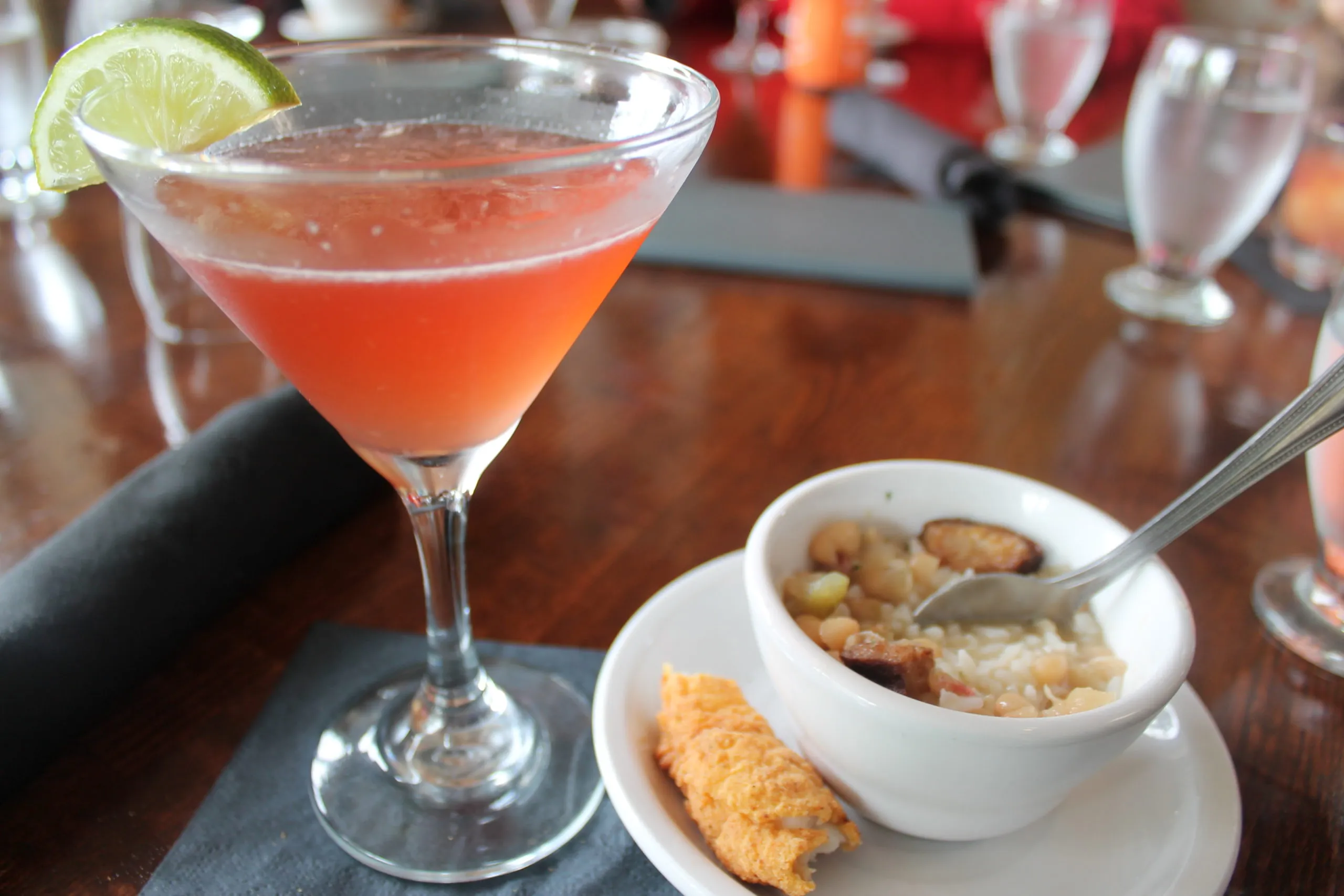
Breaux Bridge Walking Food Tour
Walk historic downtown Breaux Bridge, follow the Bayou Teche, and taste the local dishes that earned this small town its Crawfish Capital reputation.
EVENING TOUR
03
Around the World in Acadiana Taste Tour
Travel around the world without leaving Lafayette Parish, with four restaurant stops spanning Asian, Latin, Mediterranean, and European flavors.

SWAMP TOUR AND MORE
04
All Day Cajun Experience
The experience includes a swamp boat tour, historic and cultural stops, a Cajun and Zydeco dance lesson, a downtown drive, transportation, lunch, boudin, and dessert.
In Cajun Country, boudin can be in places the average visitor may not expect, like —grocery stores, delis, gas stations, weddings, holiday parties, tailgate parties, picnics, and of course being eaten behind the wheel by Cajuns on the way to work….. But oddly enough, you won’t see it much in restaurants unless you’re getting the “unlinked” variety… We don’t stop at just eating boudin in the casing; we turn it into all sorts of culinary wonders like boudin sandwiches, boudin kolaches, boudin-stuffed peppers, cheese-stuffed fried boudin balls, boudin egg rolls, boudin tacos, even boudin pie. This tasty treat is such a Cajun staple that “Dr. Boudin,” Robert Carriker, has estimated that Cajuns eat 75,000 pounds of boudin a day. That’s 37½ tons, y’all!
(Check out Dr. Bob’s book “Boudin; A Guide to Louisiana’s Extraordinary Link” on Amazon)
What Is Cajun Boudin Made Of?
Traditional Cajun boudin usually combines slow-cooked pork, rice, vegetables, and Louisiana seasonings. Recipes vary from one family or local meat market to another, which is part of what makes boudin special in South Louisiana.
The most common ingredients include:
- Pork: Cooked until tender and seasoned to develop a rich flavor.
- Cooked rice: Mixed with the meat to create boudin’s characteristic texture.
- Onions and peppers: Add flavor and aroma to the filling.
- Cajun seasonings: Often include salt, black pepper, cayenne, and other spices.
- Sausage-style casing: Holds the filling together in the traditional linked version.
Some recipes also include green onions, parsley, garlic, or additional seasonings.
Unlike conventional sausage, the rice is an essential part of most Cajun boudin recipes.
How Do You Eat Cajun Boudin?
One of the most common ways to enjoy Cajun boudin is warm, straight from the casing. Some locals eat the filling and leave the casing behind, while others enjoy the casing when it has been prepared to their liking.
Boudin can be enjoyed in several ways:
| Method | What to Expect |
|---|---|
| Steamed | Soft, moist boudin with tender filling |
| Simmered gently | Warm filling without browning the casing |
| Grilled | A firmer casing with a lightly browned exterior |
| Oven-heated | Convenient for warming several links |
| Boudin balls | Filling shaped into balls, breaded, and fried |
Tip: Boudin is often sold already cooked, but preparation instructions vary by producer. Follow the seller’s directions for reheating and safe serving.
Where Did Boudin Come From?
The origins of boudin trace back over two centuries to the communities that shaped South Louisiana’s food traditions. Acadians, European French, Spanish, Germans, and free people of color contributed to the region’s distinctive culinary heritage.
Boudin evolved through these cultural influences and the ingredients available to local families, becoming a lasting part of Cajun cooking.
The original boudin of this area is what we call “Red Boudin” or “Blood Boudin.”
Yep, it’s exactly what it sounds like a traditional blood boudin made with pork and blood, rather than the rice-heavy filling most visitors associate with Cajun boudin today. Back in the day, when families raised and butchered their own hogs, blood boudin was a familiar part of local food traditions. As rice became more widely used in South Louisiana cooking, pork-and-rice boudin developed into the popular version enjoyed today. These days, though, the original blood boudin is harder to come by in Cajun Country. Traditional preparation methods and modern food-safety requirements can make it more difficult to produce commercially. But no matter the type, boudin remains a beloved part of our local culture—a flavorful reminder of our heritage and creativity.
Where to Find Boudin in Lafayette and Cajun Country
All Cajuns have a favorite boudin and every boudin recipe is just a little different. Whether it is the seasoning blend used, the amount of rice vs. pork, how moist or dry, each boudin is unique. Some of our favorite places to get boudin include Nunu’s in Youngsville, Maurice, and Milton, Johnson’s Bouchaniere in Downtown Lafayette, Billeaud’s Meats in Broussard, and Earl’s Cajun Market in Lafayette.
If you’re visiting Lafayette for the first time, trying boudin from more than one local market is a great way to discover how different the recipes can be.
For a helpful guide to begin your boudin journey.
What’s the Difference Between Boudin and Andouille Sausage?
Although both are important to Louisiana cooking, boudin and andouille are quite different. Boudin typically contains cooked pork, rice, vegetables, and seasonings. Andouille is a smoked pork sausage commonly used to add flavor to dishes such as gumbo and jambalaya.
Want to learn more? Read our guide to Andouille Sausage: History, Flavor, and Uses.
Experience Authentic Cajun Food in Lafayette
Reading about boudin is one thing. Tasting authentic Cajun food while hearing the stories behind it is another!
Our Original Cajun Food Tour takes visitors to five locally owned eateries around Lafayette. Boudin is among the traditional Cajun specialties you may experience, although tasting selections and stops vary by tour.
If you want a full day of Cajun culture, our All-Day Cajun Experience includes boudin alongside local food, history, music, and a Louisiana swamp tour.
Frequently Asked Questions About Cajun Boudin
Is Cajun boudin the same as sausage?
Not exactly. Although boudin is commonly sold in a sausage-style casing, Cajun boudin typically contains cooked rice mixed with seasoned pork and vegetables. Many South Louisiana locals consider it a distinctive regional food rather than an ordinary sausage.
What does Cajun boudin taste like?
Cajun boudin has a savory, seasoned flavor with tender pork, rice, and vegetables. The level of spice and moisture varies depending on the recipe and where it is made.
Is boudin spicy?
Some Cajun boudin is mild, while other versions have a noticeable kick from cayenne pepper or other seasonings. Visitors who prefer less heat can ask about the spice level before buying.
Do you eat the casing on boudin?
Some people eat the casing, especially when it has been grilled or browned. Others squeeze the filling out and eat it separately. Both approaches are common.
Where can visitors try boudin near Lafayette?
Boudin is sold at local meat markets, specialty food shops, and other businesses throughout Lafayette and the surrounding Acadiana region. The article above includes several local recommendations to help visitors begin exploring.
By: Whitney Ross, Lafayette Native