
What Is Crawfish Étouffée? Ingredients, History, and Recipe
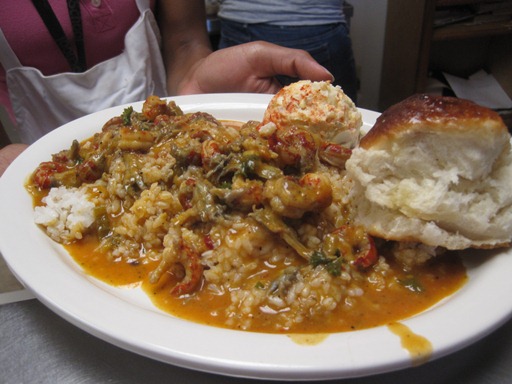
If you’re exploring Cajun cuisine, one dish you’ll see again and again is Crawfish Étouffée. It’s rich, comforting, and deeply tied to Louisiana culture. But what exactly is it? Where did it come from? And how do you make it at home?
In this guide, we’ll cover what crawfish étouffée is, its key ingredients, its Cajun roots, and a step-by-step recipe you can try yourself.
What Is Crawfish Étouffée?
Crawfish étouffée is a classic Louisiana dish made with crawfish simmered in a thick, flavorful sauce and served over rice. The word “étouffée” comes from French and means “to smother.”
In cooking terms, it refers to smothering seafood in a rich sauce made from butter, vegetables, and stock.
The dish is especially popular in Cajun and Creole cuisine, where crawfish are abundant in Louisiana’s bayous and wetlands. The sauce is usually slightly spicy, buttery, and packed with flavor.
Unlike gumbo, which is soup-like, étouffée is thicker and more gravy-like.
Key Ingredients in Crawfish Étouffée
Authentic crawfish étouffée relies on a few simple ingredients that create deep flavor.
- Crawfish Tails with the “fat”
The star of the dish. Fresh Louisiana crawfish tails are preferred, but frozen tails work well if fresh ones aren’t available. And for goodness sakes, do not rinse the tails before using them! The creamy yellowish inclusion in a frozen bag is what locals will call the “crawfish fat,” although crawfish actually have no fat… but that’s a story for a different blog… or a story you’ll hear if you take a Cajun Food Tour.
- The Cajun Holy Trinity
Most Cajun dishes begin with a base of three vegetables:
- Onion
- Celery
- Bell pepper
This Cajun Holy Trinity builds the dish’s signature flavor.
- Real Butter
Real butter forms the base of the sauce and mixed with the “fat,” helps create the roux that thickens the dish.
- Flour
Just a tad of flour is cooked into the butter to make a light roux, giving étouffée its thick, velvety texture.
- Seafood or Crawfish Stock
Adds depth and enhances the crawfish flavor.
- Garlic and Seasonings
Common seasonings include:
- Garlic
- Paprika
- Cayenne pepper
- Black pepper
- Cajun seasoning
- Bay leaves
- Green Onions and Parsley
These are added at the end for freshness and color.
- White Rice
Étouffée is almost always served over steamed white rice, which soaks up the rich sauce.
The History of Crawfish Étouffée
Crawfish étouffée originated in Louisiana’s Cajun country, particularly in the Breaux Bridge area, which is known as the “Crawfish Capital of the World.”
The dish gained popularity in the 1920s and 1930s among Cajun families who cooked crawfish in simple home-style meals.
Later, in the 1950s, étouffée became widely known when restaurants in New Orleans began serving it. One of the earliest restaurants to popularize it was Galatoire’s, bringing the dish into Creole dining culture.
Today, crawfish étouffée is considered one of the most iconic Cajun dishes, alongside gumbo, jambalaya, and crawfish boils.
Authentic Crawfish Étouffée Recipe
Here’s a simple recipe that captures the traditional Cajun flavor.
Ingredients
- 2 cups crawfish tails (with fat if available)
- 1/2 cup butter
- 1/4 cup all-purpose flour
- 1 cup chopped onion
- 1/2 cup chopped celery
- 1/2 cup chopped bell pepper
- 3 cloves garlic (minced)
- 2 cups seafood or crawfish stock
- 1 tsp Cajun seasoning
- 1/2 tsp paprika
- 1/4 tsp cayenne pepper (optional)
- Salt and black pepper to taste
- 2 bay leaves
- 1/4 cup chopped green onions
- 2 tbsp chopped parsley
- Cooked white rice for serving
Instructions
- Make the roux
Melt the butter in a large skillet over medium heat.
Add the flour and stir constantly for about 5–7 minutes until it forms a light golden roux.
- Add the vegetables
Stir in the onion, celery, and bell pepper. Cook for 5 minutes until softened.
Add garlic and cook for another 30 seconds.
- Build the sauce
Slowly add the seafood stock while stirring to prevent lumps.
Add bay leaves and seasonings.
Let the sauce simmer for 10–15 minutes until it thickens.
- Add crawfish
Stir in the crawfish tails and cook for 5–7 minutes.
Avoid overcooking, as crawfish can become tough.
- Finish the dish
Remove bay leaves.
Stir in green onions and parsley.
Serve hot over steamed white rice.
Tips for the Best Crawfish Étouffée
- Use crawfish fat if available. It adds authentic Louisiana flavor.
- Keep the roux light. Étouffée usually uses a blond roux rather than the dark roux used in gumbo.
- Don’t overcook the crawfish. They only need a few minutes to heat through.
- Taste and adjust seasoning before serving.
What to Serve with Crawfish Étouffée
This dish pairs well with classic Southern sides:
- French bread
- Cornbread
- Collard greens
- Potato salad
A simple salad can also balance the richness of the sauce.
Experience Crawfish Étouffée in Louisiana
While making crawfish étouffée at home is rewarding, nothing compares to tasting it in Louisiana itself. Many local restaurants serve their own versions, each with unique seasoning and family traditions.
If you want to learn the stories behind dishes like étouffée, gumbo, and jambalaya, joining a Cajun food tour is one of the best ways to experience authentic Louisiana cuisine.
Final Thoughts
Crawfish étouffée is more than just a meal. It represents Louisiana’s Cajun heritage, fresh local seafood, and generations of home cooking traditions.
With simple ingredients and rich flavor, it remains one of the most beloved dishes in Southern cooking.
Whether you enjoy it in a Louisiana restaurant or cook it in your own kitchen, crawfish étouffée delivers a true taste of Cajun culture.