Why Crawfish Is So Important to Cajun Culture?
Louisiana’s story is often told through the meals that bring people together. Before visitors learn local expressions or hear the rhythm of zydeco music, they experience a steaming pot of crawfish shared among friends and family. The moment feels communal, with conversations flowing as easily as the food itself. In southern Louisiana, crawfish is more than a regional ingredient; it reflects history, environment, and a way of life. This post explores why crawfish remains central to Cajun identity and cultural tradition.
From Survival Food to Cultural Icon: The History of Crawfish in Cajun Cooking
The history of crawfish in Louisiana reflects how displaced communities adapted to a new environment and gradually transformed everyday food practices into lasting cultural tradition.
- Acadian migration shaped Cajun identity: Cajun culture traces back to Acadian settlers expelled from Canada in 1755 during the Great Expulsion. Many eventually settled in south Louisiana, where they rebuilt communities along rivers and bayous and adapted their customs to a new landscape.
- Life adapted to wetlands ecosystems: The newcomers learned to hunt, fish, and trap in marshes and swamps, often guided by Indigenous knowledge and local environmental conditions. Foodways changed because available ingredients differed from those in their former homeland.
- Crawfish became an accessible local protein: Abundant in shallow waterways, crawfish provided a reliable food source that required simple trapping methods. Its availability made it practical for rural households living close to wetlands.
- Home cooking preserved crawfish traditions in Cajun culture: Cooking remained centered in family spaces, where recipes evolved through shared preparation rather than written instruction. Outdoor boiling and communal cooking practices became social rituals tied to everyday life.
- The role of crawfish in Cajun cooking grew over time: Crawfish was once viewed as humble food, but commercial processing in the 1950s increased availability and popularity, helping transform it into a celebrated regional specialty and cultural symbol.
The Crawfish Boil: A Tradition Built on Community
A crawfish boil begins long before anyone eats. Early in the day, someone rolls out large pots and propane burners into a backyard or open space. Coolers arrive filled with fresh crawfish packed in ice. Folding tables appear, soon covered with layers of newspaper that signal what is about to happen. The setup feels practical, yet deeply familiar to those who return each season.
Preparation becomes a shared task. One person washes the crawfish, another measures seasoning, while someone else cuts corn, potatoes, and sausage. No single cook controls the process. Instructions move through conversation rather than commands. Music plays in the background, often blending with laughter and stories exchanged between generations.
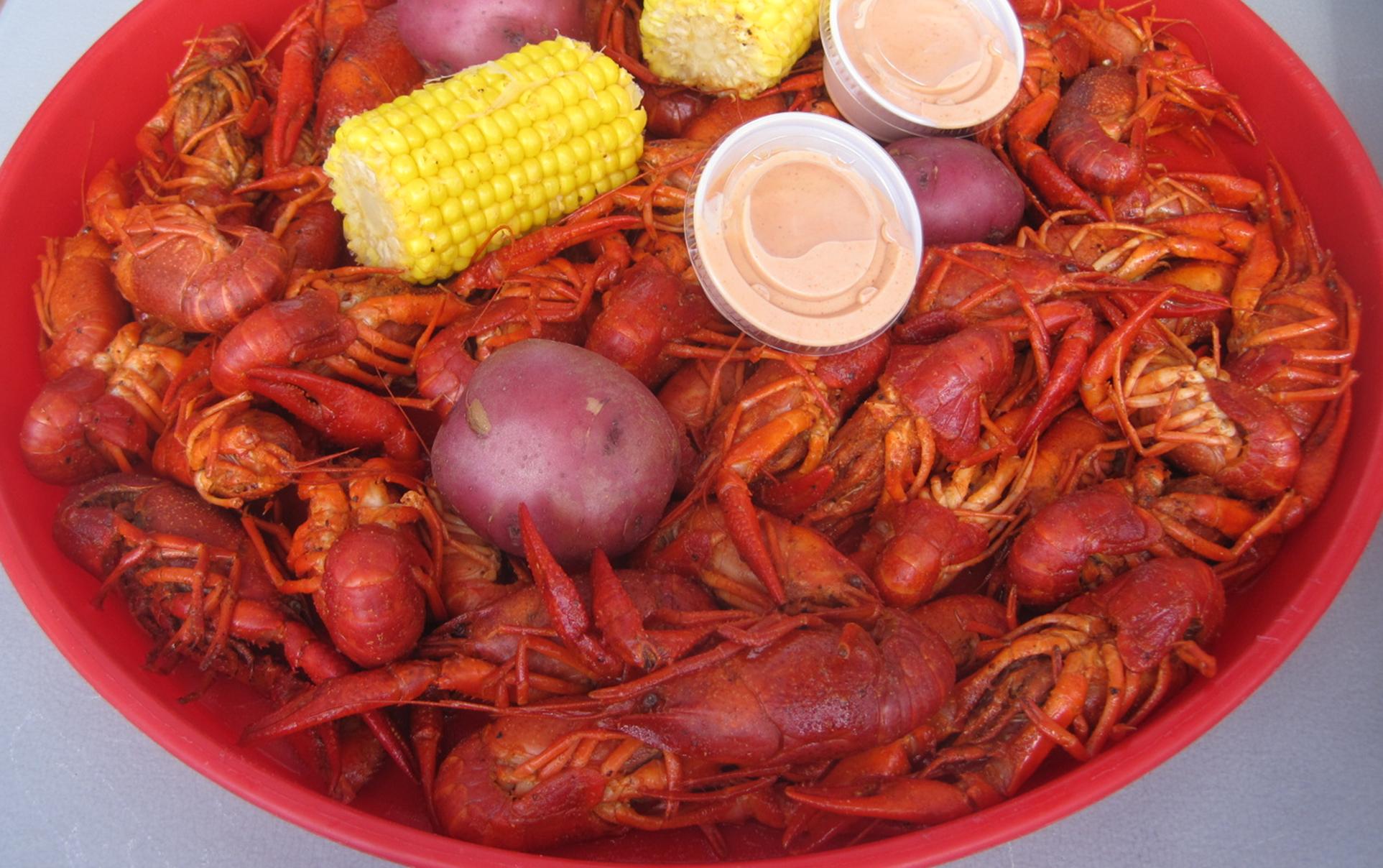
As the water begins to boil, people gather closer. Steam rises heavily into the air, carrying the scent of spices across the yard. When the crawfish are finally poured onto the tables, the moment shifts from cooking to connection. Everyone eats with their hands, peeling shells, passing food, and teaching newcomers the proper rhythm without formal explanation.
The pace remains slow and social. Conversations stretch between bites and pause matter as much as the meal itself. Children learn by watching adults, repeating gestures that have remained consistent for decades. Within crawfish Cajun culture, the boil represents far more than a recipe. The gathering itself holds meaning, reinforcing belonging, hospitality, and shared identity through participation rather than instruction.
Signature Crawfish Dishes That Define Louisiana Cuisine
Crawfish appears across Louisiana tables in many forms, each preparation reflecting a different aspect of local life. Some dishes remain closely tied to home kitchens, while others show how chefs continue to reinterpret tradition without losing its cultural meaning.
- Crawfish Étouffée: Crawfish étouffée stands as one of the most recognizable expressions of Cajun comfort cooking. Built on a slow-cooked roux, the dish blends crawfish tails with onions, bell peppers, celery, and seasoning simmered into a thick, deeply flavored sauce. Served over rice, it reflects patience and care rather than complexity. Many families prepare étouffée during gatherings, where recipes vary slightly but the intention remains the same, warmth, nourishment, and shared memory.
- Crawfish Boil Classics: The crawfish boil represents abundance and togetherness on a large scale. Alongside the crawfish, pots fill with corn on the cob, red potatoes, smoked sausage, and sometimes mushrooms or garlic. Seasoning styles differ across Louisiana, some favor heavier spice, others balance heat with citrus or herbs. Once poured onto newspaper-covered tables, distinctions disappear. Everyone eats side by side, reinforcing the idea that the experience matters as much as the flavors.
- Modern Cajun Interpretations: Over the years, crawfish has been adapted into various dishes. Some common dishes include:
- Crawfish pies: Crawfish pies translate familiar Cajun flavors into a portable, comforting form. Filled with seasoned crawfish tails, vegetables, and rich gravy tucked inside golden pastry, the dish reflects how traditional home cooking adapts to changing lifestyles while preserving recognizable taste and texture.
- Crawfish pasta: Pasta preparations blend Cajun seasoning with creamy sauces, garlic, and herbs, creating meals that feel both regional and contemporary. These dishes often appear in local restaurants, showing how crawfish continues to evolve while maintaining its connection to Louisiana kitchens.
Many chefs reinterpret crawfish through updated presentations while respecting established techniques and flavor profiles. Whether served in refined plates or casual settings, these adaptations demonstrate how Cajun cuisine grows organically, allowing innovation without separating food from its cultural roots.
Crawfish Season, Timing, Anticipation, and Celebration
Crawfish season in Louisiana typically begins in late winter and continues through spring, a period shaped by nature rather than fixed dates. Warmer water temperatures encourage crawfish activity, while rice field farming cycles create ideal conditions for harvesting. Local fishermen watch weather patterns closely, knowing that rainfall and temperature influence both supply and flavor.
The arrival of the season brings a noticeable shift in community rhythm. Markets begin stacking sacks of live crawfish near entrances, handwritten signs announcing fresh arrivals. Conversations turn to prices, spice blends, and plans for the first boil of the year. Anticipation builds gradually, making the wait itself part of the cultural experience.
The first seasonal boil carries special meaning. Steam rises into cool evening air, signaling the return of outdoor gatherings after winter months. Families reconnect, neighbors drop by unannounced, and weekends fill quickly with shared meals. Seasonality creates urgency and appreciation, reminding communities that crawfish is best enjoyed together, at the right time, and in the company of others.
How Crawfish Connects Visitors to Cajun Culture Today
The connection between visitors and Cajun traditions often unfolds through simple, shared experiences.
- Learning through participation: For many visitors, the first introduction to Cajun culture begins with learning how to peel a crawfish. Locals patiently demonstrate how to twist the tail and separate the shell, encouraging newcomers to try without hesitation. The process turns observation into hands-on participation, where small mistakes often lead to laughter and shared guidance.
- Shared tables break social barriers: Crawfish gatherings naturally dissolve formality. Strangers sit side by side with busy hands and relaxed conversation, focusing on the shared experience rather than etiquette. Eating with hands creates an informal environment where everyone participates equally.
- Stories shared through food: As people eat, locals often share memories of past crawfish seasons, preferred seasoning styles, or family traditions. Cultural knowledge emerges organically through conversation rather than structured explanation.
- Food as cultural exchange: These moments transform a meal into connection. Visitors begin to understand that crawfish Cajun culture is learned through doing, listening, and sharing space rather than simply watching from the outside.
- From curiosity to belonging: Participation allows guests to move beyond being spectators, experiencing tradition as something lived and felt, creating lasting cultural understanding through shared experience.
Experiencing Crawfish Culture in Lafayette
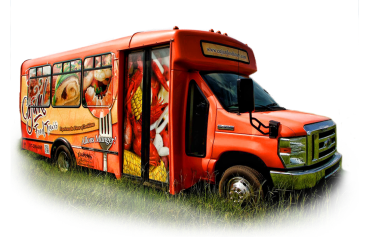
Lafayette stands at the cultural heart of Cajun Louisiana, where culinary traditions remain closely tied to everyday life. Local restaurants serve crawfish in forms that range from home-style classics to contemporary interpretations, reflecting both continuity and creativity within the community. Seasonal boils, neighborhood gatherings, and weekend meals keep traditions visible and accessible. Guided food experiences, such as those offered by Cajun Food Tours, help visitors recognize details they might otherwise overlook. Our guides explain why certain spices are used, how recipes vary between families, and why timing matters during crawfish season. These moments add meaning that transforms a simple meal into shared cultural insight. In Lafayette, experiencing crawfish culture often means listening as much as tasting, where food quietly reflects history, identity, and place. To experience these traditions with local insight and authentic storytelling, connect with our team at Cajun Food Tours and discover Lafayette through the people, flavors, and memories that define its culture.