What is a Cajun Po’Boy Sandwich?
When you think of Cajun food, a few iconic dishes likely come to mind. But one that stands out as a true staple of Louisiana cuisine is the Cajun Po’Boy Sandwich. Whether you’re a seasoned foodie or just beginning to explore Cajun flavors, the Po’Boy offers a tasty, satisfying experience you don’t want to miss. This sandwich is far more than a quick bite; it’s a cultural experience, a part of Louisiana’s vibrant history, and a flavor-packed meal that captures the essence of Cajun cooking. This guide breaks down everything you need to know about the Cajun Po’Boy Sandwich, right from its origins to different varieties and the best places to grab one.
What Goes into a Traditional Cajun Po Boy Sandwich
The Cajun-style Po’Boy sandwich brings bold Louisiana flavors to one of the region’s most iconic foods. While Po’Boy itself originated in New Orleans, Cajun culinary traditions influence many modern versions through seasoning, ingredients, and preparation styles.
- Fillings: A traditional Po’Boy features generous portions of fried seafood such as shrimp, oysters, or catfish, as well as slow-cooked roast beef served with rich gravy. Cajun-style variations often emphasize robust seasoning and may incorporate ingredients like spicy sausage or deeply seasoned proteins that reflect rural South Louisiana cooking traditions.
- Sauces and Dressing: Many Po’Boys are served dressed, meaning they include lettuce, tomato, pickles, and mayonnaise. Cajun-inspired versions may add spicy remoulade or seasoned spreads that enhance the sandwich with a tangy, peppery kick while complementing the fried or slow-cooked fillings.
- Bread: The defining element of any Po’Boy is New Orleans French bread, known for its lightly crisp crust and soft, airy interior. This unique texture allows the bread to absorb sauces and juices while maintaining structure, creating the perfect balance between filling and foundation.
While many regional variations exist across Louisiana, the essence of the Po’Boy remains unchanged: bold flavors, hearty portions, and comforting satisfaction.
The History of the Po’Boy Sandwich
Like many beloved dishes, Po’Boy has a story behind it. The sandwich is widely believed to have originated in New Orleans in 1929, during a citywide streetcar strike.
- As the story goes, two brothers, Clovis and Benjamin Martin, former streetcar conductors who later opened a restaurant known as Martin Brothers Coffee Stand & Reataurant, decided to provide free meals to the striking workers in support of their former colleagues.
- The meal was simple but filling: New Orleans–style French bread stuffed with hearty fillings such as roast beef with gravy or fried seafood. The workers were affectionately referred to as “poor boys,” eventually shortened to po’boys, and the name became associated with the sandwich itself.
- Over time, Po’Boy grew in popularity, evolving from a humble meal for working-class laborers into a regional culinary specialty deeply tied to Louisiana culture.
The Po’Boy sandwich came to symbolize community, generosity, and the spirit of New Orleans. Today, Po’Boys can be found across Louisiana, from upscale restaurants to small neighborhood shops, continuing to reflect the region’s rich history and vibrant food traditions.
Popular Types of Cajun Po’Boy Sandwiches
The beauty of the Cajun Po’Boy is its versatility. While there’s no single “right” way to make one, the basic formula remains the same: New Orleans–style French bread filled with bold, flavorful ingredients. Different regions and restaurants across Louisiana add their own spin to the sandwich. Let’s take a look at some of the most popular variations of Cajun Po’Boy.
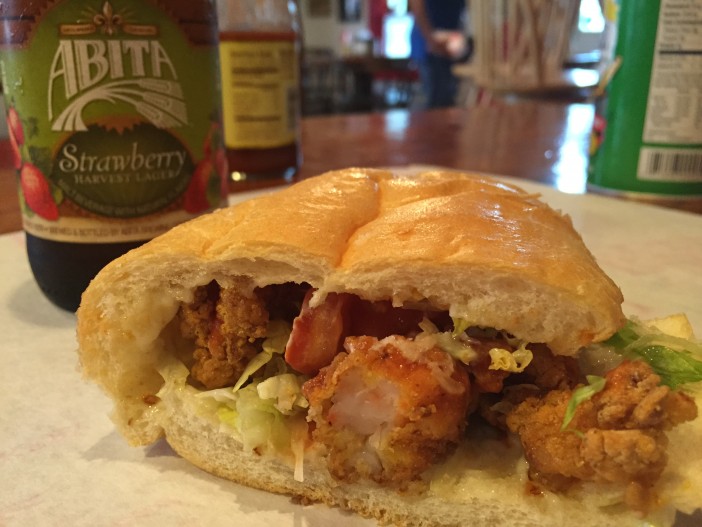
- Shrimp Po’Boy: A true classic and longtime favorite, the Shrimp Po’Boy features crispy fried shrimp seasoned with Louisiana spices. Whether lightly dusted or fully battered, the shrimp are typically crunchy on the outside and tender inside. Many local shops offer their own interpretations, serving shrimp fried to perfection or occasionally blackened for a smoky variation. Shrimp Po’Boys can be found throughout Louisiana, each with its own signature style. Some restaurants pile the sandwich high with seafood, while others focus on balance, ensuring the perfect crunch in every bite.
- Roast Beef Po’Boy: For a heartier option, the Roast Beef Po’Boy is one of New Orleans’ most iconic comfort foods. This version features slow-cooked roast beef simmered until tender and served with rich gravy that soaks into the bread. Traditionally served dressed with lettuce, tomatoes, pickles, and mayonnaise, the sandwich is famously messy and deeply satisfying. While especially popular in New Orleans, variations exist across Louisiana, with some spots adding hot sauce, pickles, or even fries for extra texture and flavor.
- Oyster Po’Boy: Seafood lovers often gravitate toward the Oyster Po’Boy. Golden-fried oysters bring a briny richness that pairs well with creamy sauces such as remoulade. The contrast between crispy oysters and soft New Orleans-style French bread creates a balanced texture that locals especially enjoy during oyster season.
- Fried Catfish Po’Boy: A regional favorite, this version features cornmeal-crusted catfish seasoned with Cajun spices. The freshwater fish and bold seasoning reflect the culinary traditions of Louisiana’s bayou communities.
- Hot Sausage Po’Boy: Known for its rich flavor and spicy kick, the hot sausage Po’Boy highlights Louisiana’s sausage-making heritage. Heavily seasoned pork sausage delivers a hearty, satisfying option popular in both small towns and local diners.
Cajun vs. Creole Po’Boy: What’s the Difference?
Although the Po’Boy sandwich is closely associated with Louisiana cuisine, it is important to understand the cultural influences behind it. The Po’Boy is traditionally rooted in Creole food culture, which developed in New Orleans, while Cajun cuisine reflects the rural culinary traditions of southern Louisiana. Over time, both influences have shaped how Po’Boy sandwiches are prepared and enjoyed today.
- Creole Influence: The original Po’Boy emerged in New Orleans, a city known for Creole cuisine, a blend of French, Spanish, African, and Caribbean culinary traditions. Creole-style Po’Boys often emphasize layered flavors, sauces such as remoulade, and seafood fillings like shrimp or oysters. The focus is on balance, seasoning, and urban culinary refinement.
- Cajun Influence: Cajun cuisine originated with Acadian settlers in Louisiana’s rural regions and is known for rustic, hearty cooking. Cajun-inspired Po’Boys typically highlight bold seasoning, smoked meats, fried proteins, and straightforward preparation methods that reflect countryside cooking traditions.
How the Styles Blend Today
In modern Louisiana food culture, the distinction is not always strict. Many restaurants combine elements of both traditions, resulting in Po’Boys that feature Creole sauces alongside Cajun spices. This blending of influences is part of what makes the Po’Boy such a dynamic and evolving regional favorite.
Understanding the Cajun and Creole roots behind the Po’Boy adds another layer of appreciation to the sandwich, revealing how Louisiana’s diverse cultural history continues to shape its most iconic foods.
Explore Po’Boy Through Cajun Food Tours in Lafayette
Ready to taste an authentic Cajun Po’Boy where the tradition truly lives? Join Cajun Food Tours in Lafayette, Louisiana, and discover the local spots serving some of the most flavorful and authentic Po’Boy sandwiches in Cajun Country. Book your food tour today and experience Louisiana one bite at a time.