Best Places in Louisiana to Try Real Cajun Cooking
If you travel to Louisiana for food, you want the real thing. You want gumbo stirred low and slow. You want boudin that snaps with flavor. You want crawfish boiled the way locals expect. And while Cajun food appears across the state, only a few places serve the true experience. This guide breaks down the top destinations for real Cajun cooking, why they stand out, and what dishes you should try when you get there.
What Makes Cajun Food “Real” in the First Place
Before choosing a place to visit, it helps to know what separates authentic Cajun food from the rest.
Real Cajun cooking relies on tradition. Recipes pass down through families. Ingredients come from nearby farms, bayous, and seafood docks. Cooks build flavor in layers. The roux matters. The seasoning balances. And the food tells a story about the people who made it.
Louisiana has many great food towns, but a few communities preserve these traditions better than anywhere else in the state.
1. Lafayette: The Heart of Cajun Cooking
If you want the truest Cajun food experience, you start in Lafayette. Locals call it the center of Acadiana for a reason. The city sits at the crossroads of Cajun culture, music, and food. Generations of cooks built a culture where meals bring people together and flavor stays tied to local roots.
What to Eat in Lafayette
Boudin: The unofficial snack of Acadiana. You can find it in specialty shops, gas stations, diners, and butcher counters. Every maker adds a personal spin, so sampling a few is part of the fun.
Gumbo: Dark roux, deep flavor, and a comforting taste that captures the spirit of the region. Chicken and sausage are common. Seafood gumbo is a must in season.
Crawfish: If you visit between January and June, expect some of the best crawfish boils in Louisiana.
Étouffée: Silky sauce, simple ingredients, perfect balance.
Why Lafayette Tops the List
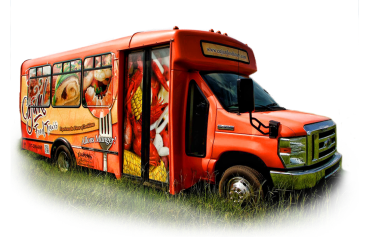
The culture never drifted. Families kept the old methods alive. New chefs respect the basics while bringing fresh ideas to the table. And if you want to explore the scene without guessing, Cajun Food Tours gives you a guided path through the city’s most iconic and hidden spots. It is the easiest way to understand the depth of Lafayette’s food traditions.
2. Breaux Bridge: The Crawfish Capital of the World
Just a short drive from Lafayette, Breaux Bridge is famous for crawfish. The town helped push crawfish into Louisiana’s mainstream food culture. Today it remains one of the best places to eat this local favorite in all its forms.
What to Eat in Breaux Bridge
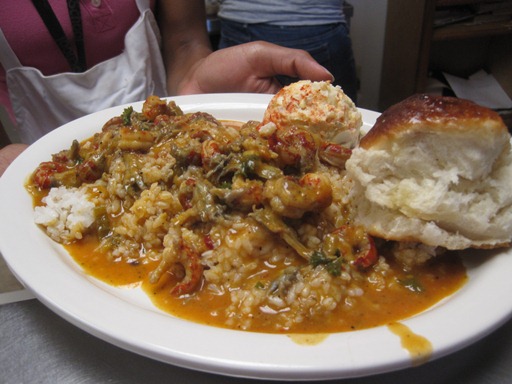
Crawfish Étouffée: Often considered the town’s signature dish. Smooth, rich, and made with fresh tails.
Crawfish Jambalaya: A smoky, hearty plate that brings out the best in the local crop.
Classic Breakfast Plates: Many diners here serve hearty Cajun breakfasts with sausage, eggs, and buttery biscuits.
Why Breaux Bridge Is Worth the Trip
The town blends charm with serious cooking. It is small enough to feel intimate but big enough to offer variety. If you time your visit with the annual Crawfish Festival, the food experience becomes even stronger.
3. New Iberia: Home of Seafood and Smoked Delights
New Iberia sits along Bayou Teche, and the town uses that location to its advantage. Seafood shows up everywhere, and smokehouses produce sausages and tasso with deep flavor.
What to Eat in New Iberia
Seafood Gumbo: Packed with shrimp, crab, and sometimes oysters.
Smoked Sausage and Tasso: Local smokehouses take pride in doing things the old way.
Shrimp Po’boys: Crunchy, messy, and satisfying.
Why New Iberia Stands Out
The food scene mixes Cajun, Creole, and local Teche influences. It is a great stop if you like bold flavor without losing the balance that defines real Cajun cooking.
4. Opelousas: One of Louisiana’s Oldest Cajun Communities
Opelousas is known for its seasoning blends, zydeco music, and deep cultural roots. Many families here still cook the same dishes their ancestors prepared.
What to Eat in Opelousas
Chicken and Sausage Gumbo: A staple in many homes and diners.
Jambalaya: Smoky, simple, and filling.
Cracklins: Crispy, salty, and addictive.
Why Opelousas Is Worth Visiting
The cooking style stays rustic and true to tradition. You will find dishes that focus on technique rather than trend. It feels like stepping into a living piece of Cajun history.
5. Houma and Terrebonne Parish: Where Cajun Meets Coastal
Travel south toward the marsh, and you reach Houma. The area blends Cajun heritage with a strong coastal influence. Seafood plays a bigger role here, and many recipes highlight what comes off the boats that same day.
What to Eat in Houma
Fried Catfish: Light, crispy, and seasoned with care.
Shrimp Boulettes: Ground shrimp mixed with spices, shaped, and fried.
Seafood Platters: Fresh and abundant.
Why Houma Belongs on This List
You get Cajun roots with coastal freshness. Many families here make gumbo with seafood only, and it carries a flavor you cannot find inland.
How to Explore Cajun Food Without Guessing
Louisiana has incredible food, but navigating it can feel overwhelming. Cafes, smokehouses, seafood stands, and small local kitchens fill every corner of Acadiana. You could spend days trying to find the best stops, or you could join a guided food tour and see the highlights in a single trip.
Cajun Food Tours in Lafayette makes this simple. You sample boudin, gumbo, étouffée, cracklins, and other classics while learning the story behind each dish. It is the easiest way to understand why Cajun cooking holds such a strong place in Louisiana’s identity.
Final Word: Follow the Flavor Trail
Louisiana is a state built on food traditions that never fade. From Lafayette to Breaux Bridge to Houma, each stop brings you closer to the heart of Cajun culture. If you want to taste real Cajun cooking, go where the families, farms, and fishermen keep the roots alive.
Start in Lafayette. Explore the region. And trust your plate. It will guide you to the flavors that define this part of Louisiana.