
The History of Gumbo: From Survival Dish to Louisiana Icon
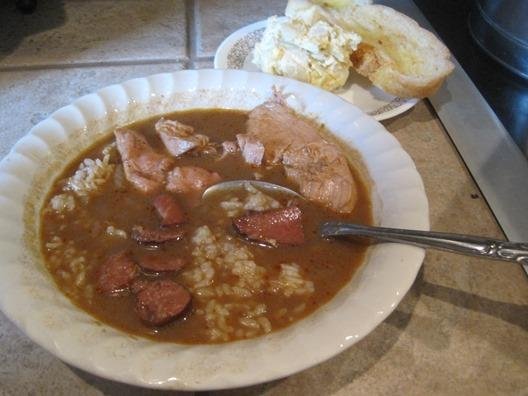
Ask ten Louisiana families for their gumbo recipe and you’ll probably get ten different answers.
Some swear by seafood. Others insist chicken and sausage is the only way to go. Some use okra, while others would never dream of adding it. Yet despite these differences, one thing remains true: gumbo is more than a meal. It’s a symbol of Louisiana’s history, culture, and resilience.
Today, gumbo is one of the most recognizable dishes in America. But long before it became a menu staple and culinary icon, it was a practical survival dish created by people who made the most of what they had.
Here’s the fascinating story of how gumbo evolved from humble beginnings into the heart and soul of Louisiana cuisine.
What Is Gumbo?
At its core, gumbo is a rich stew served over rice.
Most versions include a combination of meat or seafood, vegetables, seasonings, and a thickening agent. While recipes vary across Louisiana, the dish is known for its deep flavors and slow-cooked preparation.
What makes gumbo unique isn’t just its ingredients. It’s the way it reflects the diverse cultures that shaped Louisiana.
Many historians consider gumbo one of the best examples of cultural fusion in American food.
The Origins of Gumbo
The history of gumbo begins long before Louisiana became part of the United States.
The dish developed through the blending of culinary traditions brought by people from Africa, France, Spain, Native American communities, and the Caribbean.
Each group contributed ingredients and cooking techniques that eventually became part of what we now recognize as gumbo.
African Influence
Many food historians trace the word “gumbo” to a West African term for okra.
Enslaved Africans brought both ingredients and cooking traditions that played a major role in the development of Louisiana cuisine. Okra was commonly used to thicken stews and remains a traditional gumbo ingredient today.
Without African influence, gumbo as we know it likely would not exist.
Native American Influence
Native American tribes contributed another key ingredient: filé powder.
Made from ground sassafras leaves, filé acts as a thickener and flavoring agent. It became especially important when okra wasn’t available.
Even today, many traditional gumbo recipes use filé instead of okra.
French Influence
French settlers introduced the concept of the roux, a mixture of flour and fat cooked together.
In Louisiana, cooks took the technique further by developing dark, deeply flavored roux that became the foundation of many Cajun gumbos.
A properly prepared roux remains one of the defining characteristics of authentic gumbo.
Spanish and Caribbean Influences
Spanish settlers brought rice cultivation to Louisiana, while Caribbean cooking traditions contributed additional spices and techniques.
The combination of rice and stew eventually became a defining feature of gumbo.
Gumbo as a Survival Dish
While gumbo is celebrated today, its origins were practical.
Early Louisiana settlers often faced difficult conditions. Food supplies could be limited, and families had to rely on whatever ingredients were available locally.
Gumbo became a solution.
Hunters could add game.
Fishermen could add shrimp, crab, or oysters.
Farmers could contribute vegetables and herbs.
Leftovers could be transformed into a filling meal that fed large families and communities.
Rather than following a strict recipe, gumbo adapted to what was available.
In many ways, gumbo represented resourcefulness, creativity, and survival.
How Gumbo Became a Community Tradition
Over time, gumbo evolved beyond necessity.
Preparing gumbo became a social event.
Families gathered around large pots during holidays, celebrations, hunting trips, football games, and community gatherings. Recipes were passed down through generations, often without being written down.
Many Louisiana residents can still remember learning gumbo techniques from parents or grandparents.
The dish became deeply connected to family traditions and cultural identity.
For many locals, making gumbo isn’t simply cooking. It’s preserving history.
Cajun Gumbo vs. Creole Gumbo
One of the most common questions visitors ask is whether there’s a difference between Cajun and Creole gumbo.
The answer is yes, although there are many variations.
Cajun Gumbo
Cajun gumbo typically features:
- Dark roux
- Chicken and sausage
- Seafood in coastal regions
- Rustic preparation
- Strong emphasis on local ingredients
It’s commonly associated with rural areas and Cajun Country communities such as Lafayette, Breaux Bridge, and surrounding regions.
Creole Gumbo
Creole gumbo often includes:
- Tomatoes in some recipes
- Seafood combinations
- More urban influences
- A wider variety of ingredients
It’s traditionally linked to New Orleans and other areas influenced by Creole culture.
Despite these distinctions, every family puts its own spin on gumbo.
The Great Gumbo Debate
Few foods inspire stronger opinions than gumbo.
Ask locals about the “right” way to make it and you’ll likely start a lively discussion.
Common debates include:
- Okra or no okra?
- Filé or roux?
- Seafood or chicken and sausage?
- Tomatoes or no tomatoes?
- Thick or thin?
The truth is that there isn’t one correct version.
Gumbo’s history is built on adaptation and local traditions. Its diversity is part of what makes it special.
Why Gumbo Became a Louisiana Icon
Today, gumbo is one of Louisiana’s most famous dishes.
Visitors travel from around the world hoping to experience authentic gumbo, and it’s often the first food recommended to first-time travelers.
Its popularity comes from more than flavor.
Gumbo tells the story of Louisiana itself.
Every bowl reflects centuries of cultural exchange, resilience, and community. It represents the people who settled the region and the traditions they passed down through generations.
Few dishes capture a place’s identity as completely as gumbo captures Louisiana.
Where to Experience Authentic Gumbo
While recipes can be found everywhere, the best way to understand gumbo is to experience it where it originated.
Throughout Cajun Country, restaurants, family-owned eateries, and food tours introduce visitors to different styles of gumbo while sharing the stories behind them.
Tasting gumbo in Louisiana offers something a recipe never can: context.
You don’t just taste the ingredients.
You taste the history.
Frequently Asked Questions
What is the oldest type of gumbo?
Early gumbo recipes likely relied heavily on okra as a thickener, reflecting the dish’s African roots.
Why is gumbo served with rice?
Rice became widely cultivated in Louisiana and provided an affordable, filling accompaniment to gumbo.
Is gumbo Cajun or Creole?
Both. Gumbo exists in Cajun and Creole traditions, with each culture developing its own variations over time.
What makes gumbo unique?
Gumbo combines influences from multiple cultures into a single dish, making it one of America’s most distinctive culinary creations.
Final Thoughts
Gumbo began as a practical way for Louisiana families to feed themselves using available ingredients. Over generations, it evolved into a beloved cultural symbol that represents the history, diversity, and spirit of the state.
Whether enjoyed at a family gathering, local restaurant, or food tour, every bowl offers a glimpse into Louisiana’s past.
That’s why gumbo isn’t just food.
It’s a story that’s still being told, one spoonful at a time.