Spotlight on Cajun Desserts: From Pralines to King Cake
Cajun desserts reflect Louisiana’s history of French, African, and rural Southern influences. Classics like pralines, bread pudding, sweet dough pies, and King Cake are simple, rich, and tied to seasons and celebrations. In Cajun Country, desserts aren’t overly fancy. They’re meant to be shared, homemade, and connected to everyday life and local traditions.
Why This Matters to Visitors
Visitors often come to Louisiana focused on savory dishes like gumbo, crawfish, and boudin. Desserts are the part many people miss. That’s a mistake. Cajun desserts tell a quieter but equally important story about family gatherings, Catholic feast days, and rural cooking traditions. If you want a fuller understanding of Cajun food culture, you need to know what comes after the meal.
What Makes a Dessert “Cajun”?
Cajun desserts grew out of necessity and tradition rather than luxury.
They tend to be:
- Based on simple pantry ingredients
- Influenced by French baking techniques
- Sweetened but not overly sugary
- Closely tied to religious and seasonal events
Unlike modern bakery desserts, Cajun sweets were designed to feed families, not impress crowds.
What Are the Most Traditional Cajun Desserts?
1. Pralines: Louisiana’s Most Famous Sweet
Pralines are often associated with New Orleans, but they’re part of broader South Louisiana dessert culture.
What they are:
A candy made from sugar, milk or cream, butter, and pecans.
Cajun-style pralines tend to be:
- Softer and creamier
- Less uniform
- Made in small batches
They’re common at festivals, roadside stands, and local shops throughout Acadiana.
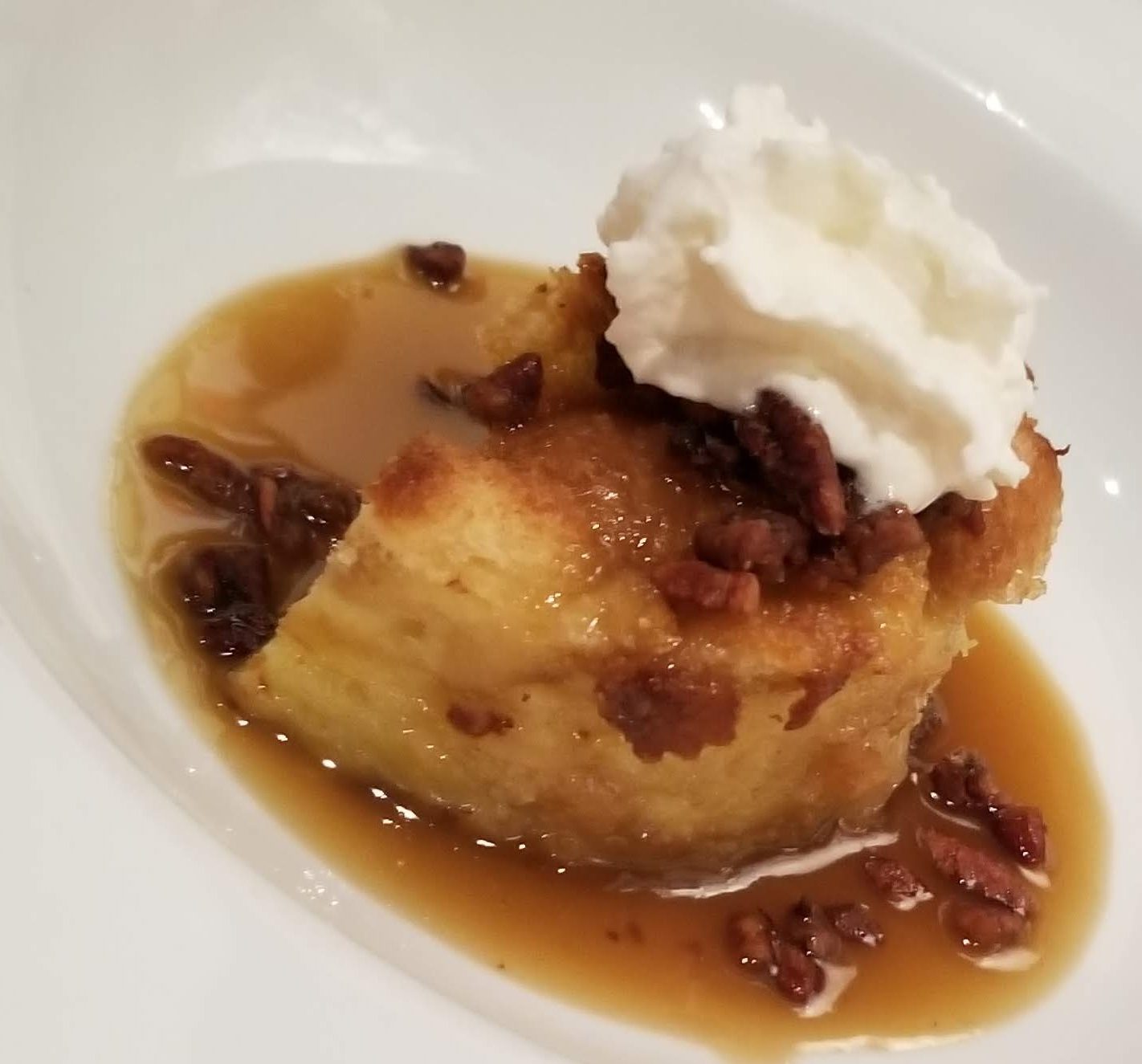
2. Bread Pudding: A Cajun Kitchen Staple
Bread pudding is one of the most common desserts in Cajun homes.
Why it matters:
- Uses day-old bread
- Reflects rural, no-waste cooking
- Easily adapted based on what’s available
Cajun versions are usually dense, not cake-like, and often served warm with a simple sauce made from sugar, milk, or sometimes rum.
3. Sweet Dough Pies: The Quiet Classic
Sweet dough pies don’t get much attention outside Louisiana, but they’re deeply rooted in Cajun baking.
Common fillings include:
- Custard
- Coconut
- Sweet potato
These pies often show up at church events, family gatherings, and small-town bakeries rather than tourist-heavy areas.
4. Rice-Based Desserts in Cajun Cooking
Rice plays a role in Cajun desserts, just as it does in savory dishes.
Rice pudding is the most common example. It’s lightly sweet, creamy, and usually flavored with vanilla or cinnamon. It reflects the agricultural history of South Louisiana, where rice farming has long been important.
Is King Cake a Cajun Dessert?
King Cake sits at the intersection of Cajun and Creole traditions.
What King Cake Represents
King Cake is tied to Carnival season, running from Epiphany in early January through Mardi Gras.
Key features:
- Oval or ring shape
- Cinnamon-filled dough
- Colored sugar topping (purple, green, gold)
- A small hidden baby figurine
In Cajun Country, King Cakes tend to be:
- Less decorative
- More bread-like
- Focused on texture rather than fillings
You’ll find them in bakeries throughout Lafayette and surrounding towns during the season.
Cajun Desserts vs Creole Desserts: What’s the Difference?
This question comes up often.
Cajun desserts
- Rural origins
- Fewer ingredients
- Less decorative
- Family-style portions
Creole desserts
- Urban influences
- More European techniques
- Often richer and more elaborate
Neither is better. They simply reflect different histories and environments.
Local Insight: Where Desserts Fit Into Cajun Life
In Cajun Country, dessert is rarely the main event.
It usually appears:
- After Sunday meals
- At church functions
- During festivals
- At the end of long family gatherings
In Lafayette, it’s common to see desserts sold alongside plate lunches or served quietly at neighborhood restaurants. Many local bakeries specialize in just one or two items and do them well.
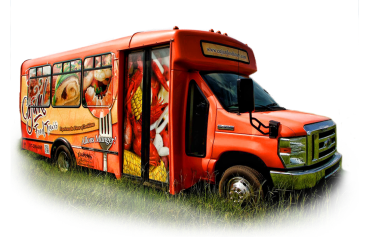
On Cajun food tours, desserts often appear as a final stop, giving visitors a chance to slow down and understand how sweets fit naturally into daily life here.
Desserts You’ll See at Festivals
Spring and fall festivals across Acadiana regularly feature Cajun desserts.
You’ll often find:
- Fresh pralines
- Homemade bread pudding
- Fried dough-based sweets
- Seasonal pies
Desserts at festivals are practical. They’re easy to serve, familiar to locals, and tied to tradition rather than trends.
Common Misconceptions About Cajun Desserts
“Cajun desserts are very spicy.”
They aren’t. Cajun desserts are sweet and mild, with flavors like vanilla, cinnamon, and pecans.
“King Cake is eaten year-round.”
It’s seasonal. Outside Carnival season, it’s hard to find an authentic one.
“Pralines are always hard candies.”
Many Cajun-style pralines are soft and creamy.
“Desserts aren’t important in Cajun food.”
They are. They just don’t get as much attention as savory dishes.
When Is the Best Time to Try Cajun Desserts?
Late winter to early spring
- King Cake season
- Cooler weather for baked desserts
Spring festivals
- Fresh pralines and bread pudding
- Outdoor events with local vendors
Year-round
- Bread pudding
- Sweet dough pies
- Rice-based desserts
Desserts are always present, but seasons influence what’s most common.
How to Experience Cajun Desserts as a Visitor
If you’re visiting Louisiana, especially Lafayette or nearby towns, the best approach is to follow how locals eat.
That usually means:
- Trying desserts at small neighborhood restaurants
- Visiting bakeries that locals recommend
- Attending festivals or markets
- Joining guided Cajun food tours that include dessert stops
Food tours are especially helpful because they explain why these desserts exist and how they connect to family traditions, agriculture, and faith.
Practical Tips for Dessert Lovers
- Don’t expect overly sweet flavors
- Ask what’s made in-house
- Try desserts after savory meals, not as standalone treats
- Be open to simple presentations
Cajun desserts aren’t flashy, but they’re honest.
Final Takeaway
Cajun desserts, from pralines to King Cake, are rooted in tradition, not trends. They reflect family cooking, seasonal rhythms, and the practical side of Cajun life. For visitors, understanding these sweets adds depth to the Louisiana food experience. Whether you discover them at a local bakery, a festival, or during a guided Cajun food tour, they offer a quieter but meaningful taste of Cajun Country.