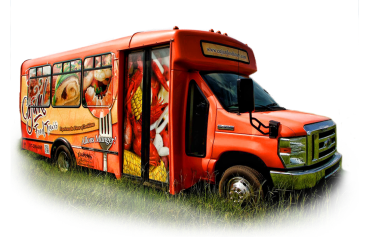
A Day on a Cajun Swamp Tour in Lafayette: Food, Stories & Wildlife
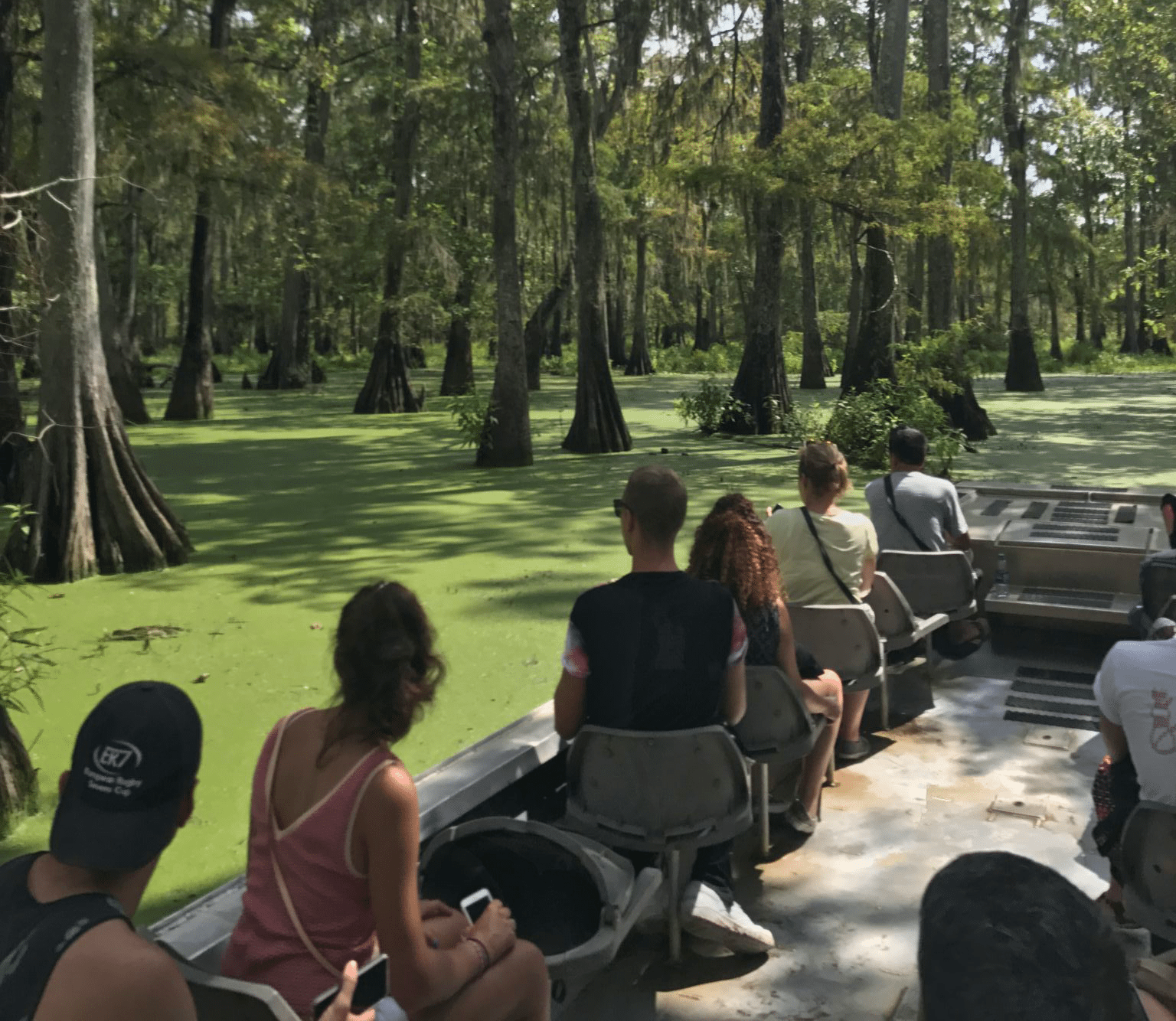
There’s a moment on a Cajun swamp tour when the engine goes quiet, the boat drifts, and the only sounds left are cicadas, rustling reeds, and the splash of something moving just beneath the surface. That moment tells you everything you need to know about South Louisiana. Life here slows down, opens up, and invites you to listen.
A day on a Cajun swamp tour in the Lafayette Area is not just about spotting alligators or cruising through cypress trees draped in Spanish moss. It’s about food passed down through generations, stories shaped by water and weather, and wildlife that has learned how to thrive in one of the most unique ecosystems in North America.
If you’re visiting Lafayette or even if you’ve lived here your whole life, a swamp tour offers a deeper look into Cajun culture that you won’t get from a guidebook.
Starting the Day in Lafayette: Where Cajun Culture Lives
Most Cajun swamp tours begin just outside Lafayette, where city streets give way to back roads, bayous, and working waterways. As you head south or west of town, the scenery changes quickly. Rice fields stretch out flat and wide. Shrimp boats rest near narrow channels. Small homes sit raised just enough to handle high water.
This is Cajun country. People here don’t just live near the swamp. They live with it.
Tour guides are often locals whose families have trapped, fished, or farmed these wetlands for generations. That matters. You’re not getting rehearsed lines or tourist clichés. You’re hearing stories shaped by real experience, told in a mix of humor, history, and pride.
Before the boat even launches, you’ll usually hear about how the swamp feeds families, protects communities from storms, and shapes Cajun food traditions.
Cruising the Bayou: Wildlife Up Close
Once the boat pushes off, the swamp opens up around you. Cypress trees rise straight from the water, their knobby knees poking through the surface. Moss sways in the breeze. The water is dark and still, reflecting everything like a mirror.
Wildlife sightings are never guaranteed, but they’re common. Alligators are the stars of the show, especially in warmer months when they sun themselves along the banks. Some are small enough to miss if you’re not paying attention. Others are impossible to ignore.
You might also spot:
- Great blue herons standing perfectly still, waiting to strike
- Egrets lifting off in slow, graceful arcs
- Turtles stacked on fallen logs
- Raccoons or nutria slipping through the brush
- Bald eagles or ospreys overhead if you’re lucky
Your guide will point out signs most people miss. A trail in the grass. A ripple in the water. The difference between an alligator nest and a muskrat run. The swamp feels alive because it is.
The Stories That Make the Swamp Come Alive
What really sets a Cajun swamp tour apart is the storytelling. Every bend in the bayou seems to come with a memory.
Guides talk about growing up fishing before school, running trotlines with grandparents, or cooking what the swamp provided that day. You’ll hear how families survived floods, how hurricanes reshaped entire communities, and how traditions held strong even when the land kept changing.
Some stories are funny. Others are sobering. All of them feel personal.
You may hear Cajun French phrases woven into the conversation or learn why certain recipes exist in the first place. Gumbo wasn’t invented to be fancy. It was invented to feed people using what was available. The swamp provided that.
Cajun Food and the Swamp: A Direct Connection
No Cajun experience is complete without food, and a swamp tour naturally leads into conversations about what ends up on the table.
The wetlands around Lafayette have long supplied crawfish, shrimp, crabs, frogs, turtles, and fish. Even today, many families still fish or trap seasonally, just as their ancestors did.
Guides often explain how swamp ingredients show up in classic Cajun dishes:
- Crawfish étouffée (French for “smothered”) made from fresh tails
- Dark roux gumbo loaded with seafood
- Stewed catfish pulled straight from local waters
- Fried alligator, when prepared correctly, tender and mild
Hearing about these dishes while surrounded by their source gives you a new appreciation for Cajun cooking. It’s not just food. It’s geography, history, and survival on a plate.
This connection is exactly why Cajun Food Tours pairs so well with swamp experiences. One shows you where the ingredients come from. The other lets you taste how they’re transformed.
Lunch After the Tour: Tasting What You Just Learned
After a morning on the water, appetite comes easy. Many visitors plan a Cajun food tour or local restaurant visit right after their swamp tour, and for good reason.
Suddenly, everything tastes different. That bowl of gumbo carries more meaning. You understand why it’s thick, dark, and rich. You know why seafood tastes the way it does here. You’ve seen the environment that shapes it.
In Lafayette, lunch might mean a plate lunch from a local spot, boudin from a roadside market, or a sit-down meal featuring regional specialties. Wherever you eat, the food feels grounded in place.
Why a Cajun Swamp Tour Is Worth Your Time
A Cajun swamp tour isn’t a theme park ride or a quick photo stop. It’s an education, an experience, and a connection to South Louisiana that sticks with you.
You leave understanding:
- How Cajun culture developed alongside the swamp
- Why food traditions remain so strong
- How wildlife and people coexist in a fragile ecosystem
- Why preserving these wetlands matters
It’s also accessible. You don’t need to be outdoorsy or adventurous. The boats are stable, the pace is relaxed, and guides make everyone feel welcome.
Best Time to Take a Swamp Tour in Lafayette
Swamp tours run year-round, but each season offers something different.
Spring and summer bring active wildlife and warmer weather. Alligators are easier to spot, and the swamp feels lush and full.
Fall offers cooler temperatures and fewer insects, with beautiful light filtering through the trees.
Winter tours are quieter but still rewarding. The swamp feels more open, and guides often share deeper stories during the slower season.
No matter when you visit, mornings tend to be calmer and more comfortable.
Pairing a Swamp Tour With a Cajun Food Tour
For visitors wanting the full Lafayette experience, pairing a Cajun swamp tour with a Cajun food tour is hard to beat. One feeds your curiosity. The other feeds your stomach.
Together, they tell the complete story of South Louisiana. You see the land. You hear the history. You taste the culture.
That combination is what makes Lafayette special. It’s not polished or manufactured. It’s real, lived-in, and proudly shared.
Final Thoughts: More Than a Tour
A day on a Cajun swamp tour in the Lafayette area stays with you long after the boat docks. The images linger. The stories replay in your head. The flavors make more sense.
It’s an experience that connects food, people, and place in a way few destinations can match.
If you want to understand Cajun culture beyond the surface, start in the swamp. Everything else flows from there.