
What gives a bowl of Cajun gumbo its rich flavor and distinctive character? The answer often begins with a simple mixture of flour and fat called a Cajun roux. It may not look like much in the pan, but this humble cooking staple has a long-standing place in Louisiana kitchens. For Cajun cooks, preparing it is a matter of patience, attention, and knowing when it is just right.
Whether you’re curious about the different types of roux, wondering what gives Louisiana gumbo its distinctive flavor, or planning a culinary trip to Lafayette, this guide explains how Cajun roux shapes the dishes you’ll discover throughout Cajun Country.
What Is a Cajun Roux?
A Cajun roux is a cooked mixture of flour and fat used to thicken dishes and build flavor. It is used in several Louisiana recipes, where it contributes to the dish’s consistency and depth. Vegetable oil and lard are common choices of fat, although some recipes call for butter.
A common starting ratio is equal parts flour and fat by weight. The ingredients are combined in a heavy pot and stirred constantly over medium to medium-low heat. As the mixture cooks, it gradually develops a deeper color and a toasted flavor. The cooking time and temperature influence the result.
Roux has its roots in French cooking traditions brought to Louisiana by French settlers, including the Acadians. Cajun cooks adapted the technique over generations, incorporating local ingredients and developing preparations suited to regional dishes. It remains a defining technique in many traditional Cajun recipes.
Why Is Roux Important in Cajun Cooking?
Roux plays an important role in Cajun cooking for several reasons:
- Thickening and Flavor: Roux serves two purposes in a Cajun kitchen. It thickens dishes and adds a distinctive, roasted flavor. Without it, traditional gumbos and gravies would have a different consistency and taste.
- Base for the Cajun Trinity: Roux also serves as the cooking base for Cajun cooking trinity of onion, celery, and bell pepper. These vegetables are added once the roux reaches the desired color. Their moisture helps stop the roux from cooking further while allowing their flavors to blend into the mixture.
- Cultural Tradition: Roux preparation is a skill passed down through generations. In many Acadiana kitchens, the technique reflects family preferences, with cooks developing their own methods for achieving the desired color, consistency, and flavor.
For travellers, roux is part of what makes Cajun food memorable. You may never see it in your bowl of gumbo, but its deep, roasted flavor helps give the dish its distinctive Cajun character.
What Are the Different Types of Roux?
Roux is commonly classified by its color, which develops as the flour and fat cook together. The longer it cooks, the darker its color and deeper its flavor become. However, its thickening ability decreases as it darkens. Here is a comparison of the common roux stages.
| Appearance | Approximate cooking time | Flavor | Thickening strength | Typical use |
| White | 2–5 minutes | Mild, with a slight flour taste | High | Cream sauces and some gravies |
| Blond | 5–10 minutes | Light, toasted flavor | High | Light sauces and soups |
| Peanut butter or light brown | 10–20 minutes | Nutty and toasted | Moderate to high | Étouffée and lighter gumbos |
| Copper or medium brown | 20–30 minutes | Rich, nutty, and roasted | Moderate | Cajun stews and some gumbos |
| Chocolate or dark brown | 30–45 minutes or longer | Deep, nutty, and roasted | Lower | Traditional Cajun gumbo |
Note: These cooking times are approximate, not fixed benchmarks. Actual times depend on the heat level, quantity of roux, cookware, and fat used. Color and aroma are better indicators of the roux stage than cooking time alone.
What Should You Know About Cajun Dark Roux?
Cajun dark roux is known for its deep brown color and toasted, nutty flavor, often with smoky notes. Here is what makes it different:
- Deep Flavor: Unlike a pale roux, which has a milder flavor and is often used primarily for thickening, a dark roux adds a rich, roasted taste. This deeper flavor contributes to the distinctive character of traditional Cajun gumbo and other Louisiana dishes.
- Slow Cooking Process: Making a dark roux takes patience. Cooks usually stir flour and oil over steady, moderate heat for around 30 to 45 minutes or longer, depending on the quantity and cooking temperature. The mixture needs frequent, consistent stirring to develop an even brown color without scorching.
- Risk of Burning: A dark roux can go from perfectly roasted to burnt in a short time. Black specks or a sharp, unpleasant smell indicate that it has scorched. Once burnt, the roux develops a bitter taste that can affect the entire dish, so it is best to discard it and start again.
- Kitchen Safety: Hot roux can stick to the skin and cause serious burns. Use a long-handled spoon, avoid splashing, and keep children away from the stove while preparing it. If adding vegetables or liquid to hot roux, do so carefully because the mixture can bubble and splatter.
Preparing Cajun dark roux requires patience, consistent stirring, and careful temperature control. These steps help achieve its characteristic deep color and roasted flavor without burning the mixture.
How Is Cajun Gumbo Roux Made?
Cajun gumbo roux is one of the main flavor-building components of many Louisiana gumbo recipes. Although ingredients and preferred colors differ between families, the basic preparation follows a few simple steps.
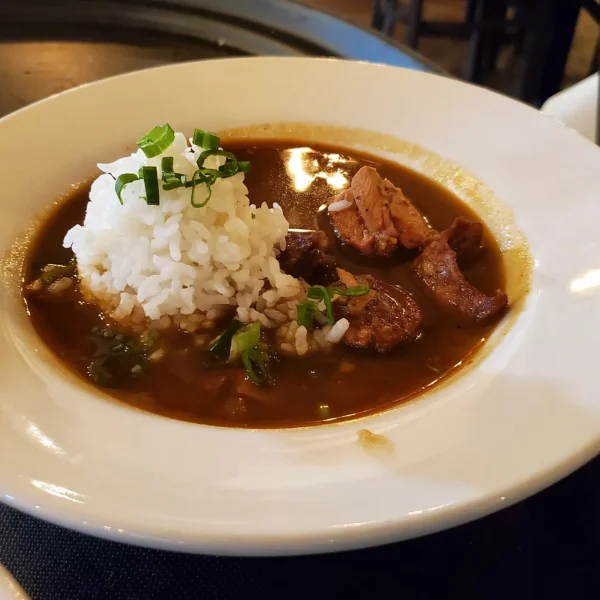
Cajun gumbo
- Heat the oil: Add oil or another chosen fat to a heavy-bottomed pot and warm it over medium heat.
- Whisk in the flour: Add approximately equal amounts of flour and fat by weight. Stir until the mixture is smooth and no dry flour remains.
- Cook until the desired color develops: Keep stirring continuously. Watch the roux change from pale to golden, brown, or chocolate-colored, depending on your recipe. Adjust the cooking time and heat to achieve the color and flavor you want without scorching the mixture.
- Add the trinity: Carefully stir in chopped onion, celery, and bell pepper when the roux reaches the desired shade. The vegetables release moisture, cooling the mixture and slowing further browning. Stir until they begin to soften.
- Gradually add the stock: Slowly pour in the stock while stirring to create a smooth base. Add it in stages to help prevent lumps, taking care to avoid splattering from the hot roux. Continue with the remaining ingredients according to your gumbo recipe.
If you want to try making Cajun gumbo at home but prefer to skip the initial roux preparation, ready-made roux products offer a convenient alternative. Follow the product instructions for the recommended quantity and preparation method.
Which Cajun Dishes Use Roux?
Roux appears in several familiar Louisiana dishes, although the color and quantity depend on the recipe. Here are a few examples worth knowing before your next Cajun food outing.
- Gumbo: Chicken and andouille gumbo commonly uses a dark brown roux for a rich, roasted flavor. Seafood gumbo can also use dark roux, although some recipes call for a lighter shade depending on the desired flavor and consistency.
- Étouffée: Crawfish or shrimp étouffée often have a lighter brown roux, which helps create a smooth, thick sauce while allowing the seafood flavor to come through.
- Sauce piquante: This spicy Louisiana stew often features meat or seafood in a tomato-based sauce. Some versions use brown roux to thicken the sauce and add depth of flavor.
- Fricassée: Chicken or other meat fricassée often have a brown roux to give the gravy a rich consistency and savory taste. The roux combines with the cooking liquid to create a flavorful sauce around the meat.
- Smothered dishes and gravies: A lighter or medium-brown roux can help create a smooth gravy that coats chicken, pork, or vegetables. However, some smothered preparations develop their gravy from browned ingredients and cooking juices without using roux.
Cajun Roux vs. Creole Roux: Is There a Difference?
Cajun and Creole cooking share many ingredients and techniques; however, their roux traditions have some common differences. Here is how they generally compare:
- Cultural Origins: Cajun cooking has strong Acadian roots and developed largely in rural South Louisiana communities. Creole cooking is commonly associated with New Orleans and reflects a broader mix of European, African, Caribbean and Navtive American influences.
- Choice of Fat: Cajun cooks commonly use vegetable oil or lard to prepare roux, while butter is more frequently used in some Creole preparations. However, the choice of fat varies across both traditions and depends on the recipe and personal preference.
- Roux Color: Cajun cooking often favors darker roux for hearty dishes such as gumbo. Creole cooking also uses different roux colours, depending on the recipe and dish.
- Use of Tomatoes: Tomatoes appear in a wider range of Creole dishes, particularly in some New Orleans-style gumbos and sauces. Many traditional Cajun preparations place greater emphasis on meat, seafood, vegetables, and the flavor of roux, although tomatoes are also used in certain Cajun recipes.
These are general distinctions rather than fixed rules. Both traditions have plenty of variations, and cooks often borrow ingredients and techniques from one another. The best way to appreciate the differences is to experience the food. A bowl of gumbo or étouffée can offer a glimpse into the culinary traditions and regional influences behind each dish.
Where Can You Experience Authentic Cajun Food in Lafayette, Louisiana?
Lafayette, in the heart of Acadiana, offers visitors several ways to experience Cajun food and culture. From locally owned restaurants to regional specialties, the area provides opportunities to explore the food traditions that have shaped South Louisiana. A guided food tour can make this experience easier by combining local tastings with stories about the region and its culinary heritage. Cajun Food Tours offers several experiences for visitors:
- Original Cajun Food Tour: This approximately three-hour bus tour visits five locally owned eateries around Lafayette. It is a good choice for travellers who want to sample regional food while learning about local history and culture.
- Breaux Bridge Walking Food Tour: Prefer exploring on foot? This approximately three-hour tour takes visitors through historic downtown Breaux Bridge, with stops at local eateries along the way. It combines food tastings with a closer look at the town’s Cajun heritage.
- All Day Cajun Experience: Have more time to spare? This approximately eight-hour experience combines a swamp boat tour, cultural and historic stops, a Cajun and Zydeco dance lesson, boudin, and other local experiences.
Tour routes, restaurant stops, and food tastings can vary depending on the day and season. Travellers interested in roux should ask their guide about the dishes included in their tour and how local kitchens prepare them.

THE LOCAL CLASSIC
01
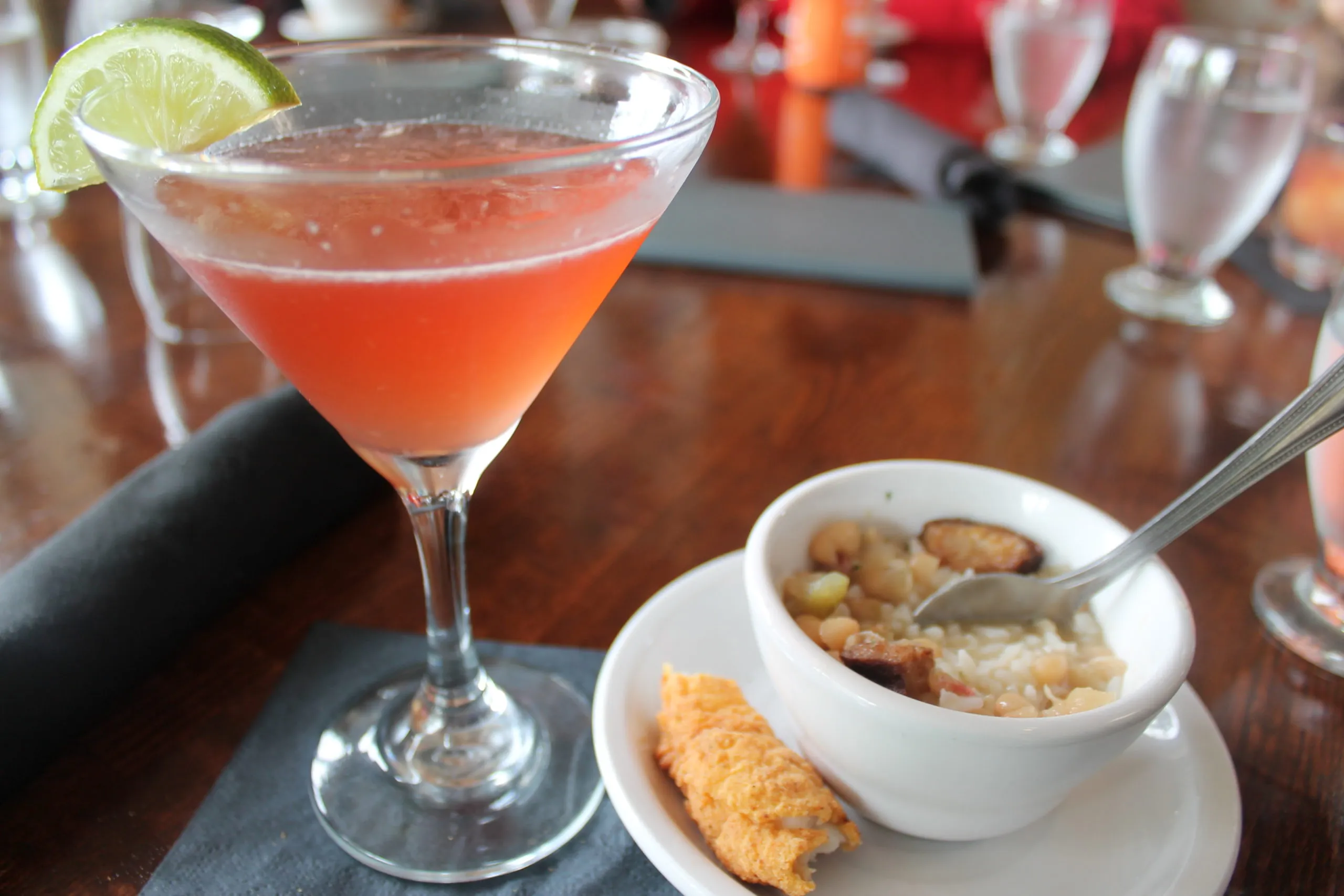
Original Cajun Food Tour
Ride our cozy customized bus to five locally owned eateries, tasting the dishes that make Cajun City taste like nowhere else.
CRAWFISH CAPITAL STROLL
02
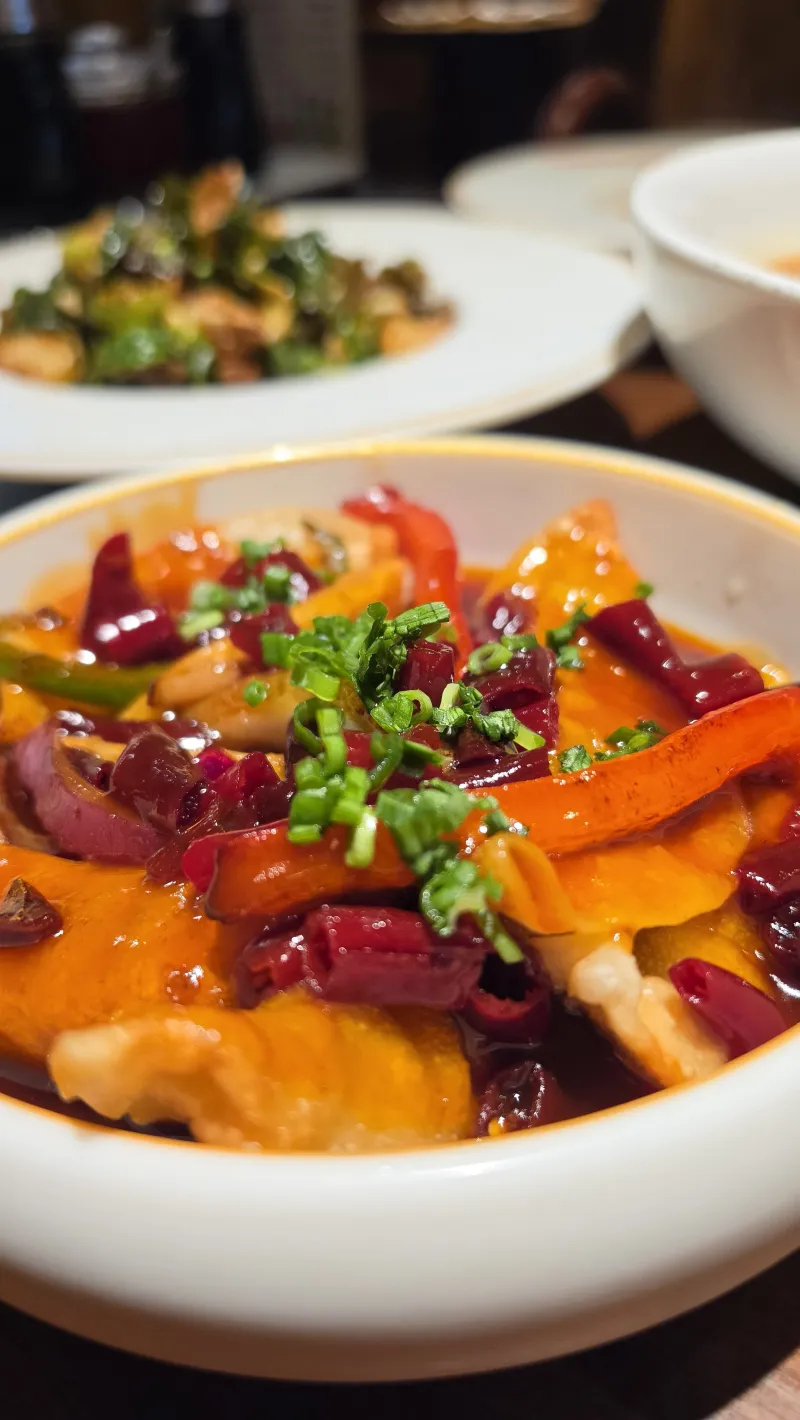
Breaux Bridge Walking Food Tour
Walk historic downtown Breaux Bridge, follow the Bayou Teche, and taste the local dishes that earned this small town its Crawfish Capital reputation.
EVENING TOUR
03
Around the World in Acadiana Taste Tour
Travel around the world without leaving Lafayette Parish, with four restaurant stops spanning Asian, Latin, Mediterranean, and European flavors.

SWAMP TOUR AND MORE
04
All Day Cajun Experience
The experience includes a swamp boat tour, historic and cultural stops, a Cajun and Zydeco dance lesson, a downtown drive, transportation, lunch, boudin, and dessert.
Browse the Cajun Food Tours experiences to find a tour that fits your visit. Visit Lafayette and experience those flavors for yourself with Cajun Food Tours.
Frequently Asked Questions
Can you make roux without a whisk?
Yes. A wooden spoon or heat-resistant spatula works well for stirring roux. Choose a utensil with a flat edge that helps you reach the corners and bottom of the pot to prevent flour from sticking or scorching.
Does the type of pot affect roux preparation?
Yes. A heavy-bottomed cast-iron or stainless-steel pot helps distribute heat more evenly and reduces the risk of hot spots. This makes it easier to control browning and avoid burning the roux.
Can gluten-free flour be used to make Cajun roux?
Yes. Rice flour and some gluten-free flour blends can be used as alternatives to wheat flour. However, their browning, texture, and thickening properties may differ, so you may need to adjust the cooking process and quantities.
Why does my roux become lumpy?
Lumps can form when flour is not mixed evenly with the fat or when liquid is added too quickly. Stir the flour and fat thoroughly until smooth, then gradually incorporate the stock while stirring to create an even consistency.