Imagine sitting down at a restaurant in Lafayette, Louisiana. You scan the menu and spot étouffée. It sounds delicious, but what exactly arrives at the table? Is it soup, gravy, or something in between? Louisiana étouffée (pronounced ay-too-FAY) is a smothered seafood dish in which crawfish or shrimp is cooked in a rich, savory sauce and served over rice. It is a favorite across Cajun Country, although the flavor, color, and seafood can vary from one kitchen to another.
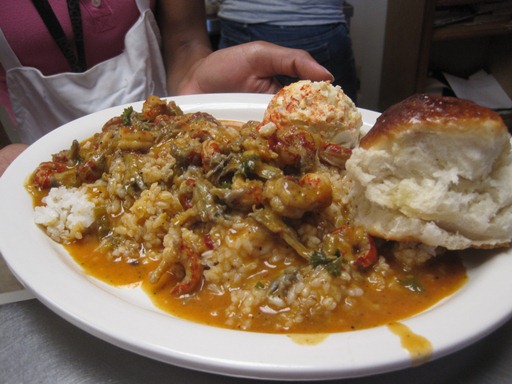
crawfish étouffée
If you’re visiting Acadiana, knowing a few things about this dish can make ordering more enjoyable. From spotting a well-made sauce to choosing crawfish or shrimp, this guide will help you enjoy Louisiana étouffée like a local and discover how it fits into Cajun Country’s food culture. For a closer look at its ingredients, history, and preparation, explore our guide to crawfish étouffée.
How to Read a Bowl of Louisiana Étouffée
A bowl of étouffée tells you quite a bit before you take your first bite. Look at the sauce, notice the aroma, and pay attention to how the seafood sits on the rice. These small details offer clues about the cook’s approach. Here’s a five-point bowl check:
- Color: Étouffée sauce can vary in color, from light golden brown to a deeper brown. Its color depends on the ingredients and cooking method, including the type of fat, whether a roux is used, how the vegetables are cooked, and whether tomatoes are added. Color alone doesn’t determine quality, so don’t judge the bowl by its shade.
- Aroma: Bring the bowl a little closer. You should notice a warm, savory aroma with hints of butter, sautéed onions, garlic, and seafood. The Cajun seasonings add depth, while the seafood aroma should remain noticeable without being overpowering.
- Texture: A good sauce should coat a spoon and cling to the rice. It shouldn’t run like a thin soup, although its thickness can vary from one recipe to another. That smooth, gravy-like consistency is one of étouffée’s defining pleasures.
- Heat: Wondering whether your first bite will set your mouth on fire? Usually, the heat should build gradually rather than overwhelm everything else. Cayenne and black pepper bring warmth, but the amount depends on the cook. Ask for a milder version if you prefer less spice.
- Finish: Notice the flavor after you swallow. A well-balanced bowl should leave a savory, buttery impression, with the seafood still recognizable. The sauce should complement the seafood without an overpowering raw-flour taste.
How the Rice Arrives
Étouffée is commonly paired with white rice. Some restaurants mound it in the middle of a bowl and spoon étouffée over the top. Others serve rice underneath the sauce or place it alongside. There isn’t one presentation that guarantees a better meal. The goal is to have enough sauce to coat the rice without making it mushy. Take a bite with both rice and sauce on your spoon to experience how the two come together.
Crawfish or Shrimp? How to Choose Your Étouffée
One of the best parts of ordering Cajun étouffée in Acadiana is choosing the seafood. Both crawfish and shrimp make excellent versions, but they bring different flavors and textures to the dish. Your choice may depend on the season, local availability, and personal preference. Here’s a crawfish étouffée vs. shrimp étouffée comparison.
| Feature | Crawfish étouffée | Shrimp étouffée | Mixed seafood |
| Best time to order | Late winter through early summer with spring being a popular time to enjoy. Actual availability changes with weather, harvest conditions, and local supply. | Available throughout the year; Gulf shrimp are available through commercial fisheries across different parts of the year, although supply and availability vary. | Depends on the seafood available |
| Flavor | Sweet, delicate, and mildly savory, with a distinctive crawfish flavor. | Mild, sweet, and seafood-forward | A blend of different seafood flavors |
| Texture | Small, tender crawfish tails | Firmer, springy shrimp | Varies by ingredient |
| Menu description | Crawfish étouffée or crawfish tails | Shrimp étouffée | Seafood étouffée |
| Tips for first-timers | Good for visitors seeking a regional favorite. Try crawfish étouffée if it’s available. The tender tails and rich sauce make a memorable introduction to Acadiana’s food culture.
|
Ideal for first-timers who prefer familiar seafood. Shrimp Étouffée is a good starting point because of their naturally sweet flavor. Also, they pair beautifully with the buttery sauce.
|
Great for diners who enjoy variety. If you’re traveling with a group, order different versions when possible. Sharing a few bites is an easy way to compare the flavors.
|
Where Étouffée Turns Up Beyond the Bowl
Traditional Louisiana étouffée is usually served over rice, but Acadiana kitchens don’t always stop there. Here are some tips to explore and enjoy the dish.
- You may find étouffée spooned over fried fish, tucked into an omelet, or served on a loaded potato. These variations use the familiar seafood sauce as a topping or filling while giving the dish a different presentation.
- Try an unconventional serving if you spot one on a local menu. It offers a chance to experience how restaurants adapt a regional favorite.
- The classic bowl remains the reference point. Once you’ve tasted a traditional version, it’s easier to appreciate what changes when a restaurant pairs the sauce with a different base.
- Keep an eye out for daily specials, too. A small lunch counter may serve something that never appears on its regular menu.
Plan Your Étouffée Trip Through Acadiana
A food trip to South Louisiana is more than just checking dishes off a list. It’s also about the places, people, and traditions that give each meal its character.
- When to Go: Spring is a popular time for crawfish lovers, thanks to seasonal seafood and festivals across the region. March through May can be a useful starting point for planning, but crawfish availability depends on harvest conditions and local supply. Check local festival calendars and restaurant menus before you book. If crawfish étouffée is your priority, ask restaurants what is currently available. Shrimp Étouffée and other Cajun favorites can fill your itinerary outside peak crawfish months.
- Explore Outdoors and Nature: If you enjoy nature and outdoor experiences, consider a boat tour at Lake Martin or in the Atchafalaya Basin. Both offer opportunities to explore Louisiana’s wetlands and observe local wildlife. You can pair the excursion with a meal in Lafayette or a nearby Cajun community to experience more of the region’s food culture.
- Explore Food Along With History: You can also pair food with local history. Visit Vermilionville in Lafayette to learn about regional heritage, or spend time in Breaux Bridge, a town known for its connection to crawfish and Cajun culture. Combining these stops with local restaurants gives you a broader view of the food traditions that shape Acadiana.
- Ask These Questions When You Order: A little curiosity can lead to a better meal. Try asking your server these questions:
- How is the roux prepared? This can give you an idea of the sauce’s flavor and color.
- Is the seafood from Louisiana? Ask whether the crawfish or shrimp is locally sourced.
- Can the dish be prepared with less spice? This is helpful if you’re sensitive to spice.
- What do locals drink with it? You might discover a favorite local beer, iced tea, or another regional pairing.
- Can I order a cup instead of a full bowl? A smaller serving is ideal if you’re planning several food stops in one day.
Travelers who enjoy hiking, nature, and exploring small towns can build a full day around these stops. Just leave enough room for lunch. Cajun meals aren’t always light!

THE LOCAL CLASSIC
01
Original Cajun Food Tour
Ride our cozy customized bus to five locally owned eateries, tasting the dishes that make Cajun City taste like nowhere else.
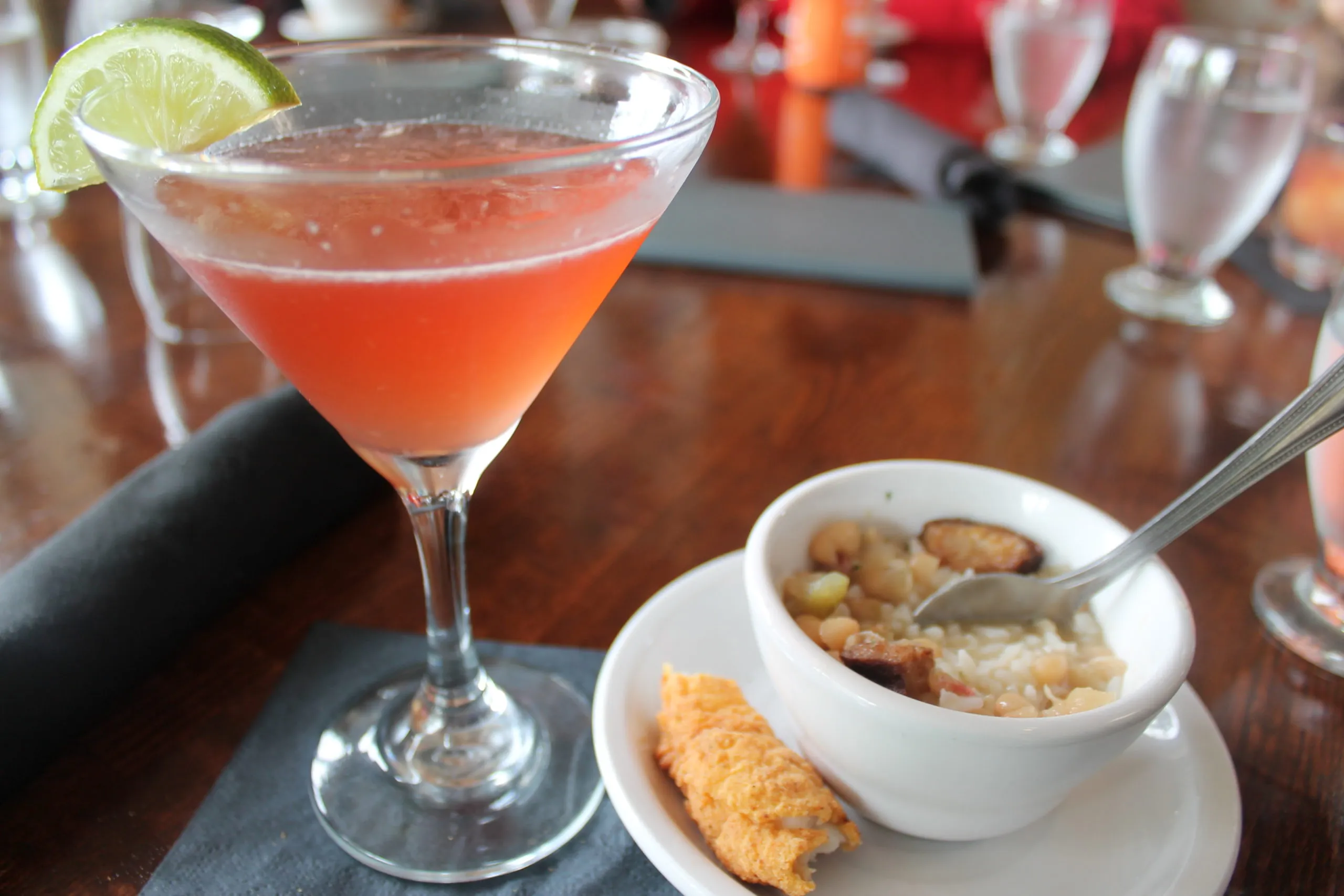
CRAWFISH CAPITAL STROLL
02
Breaux Bridge Walking Food Tour
Walk historic downtown Breaux Bridge, follow the Bayou Teche, and taste the local dishes that earned this small town its Crawfish Capital reputation.
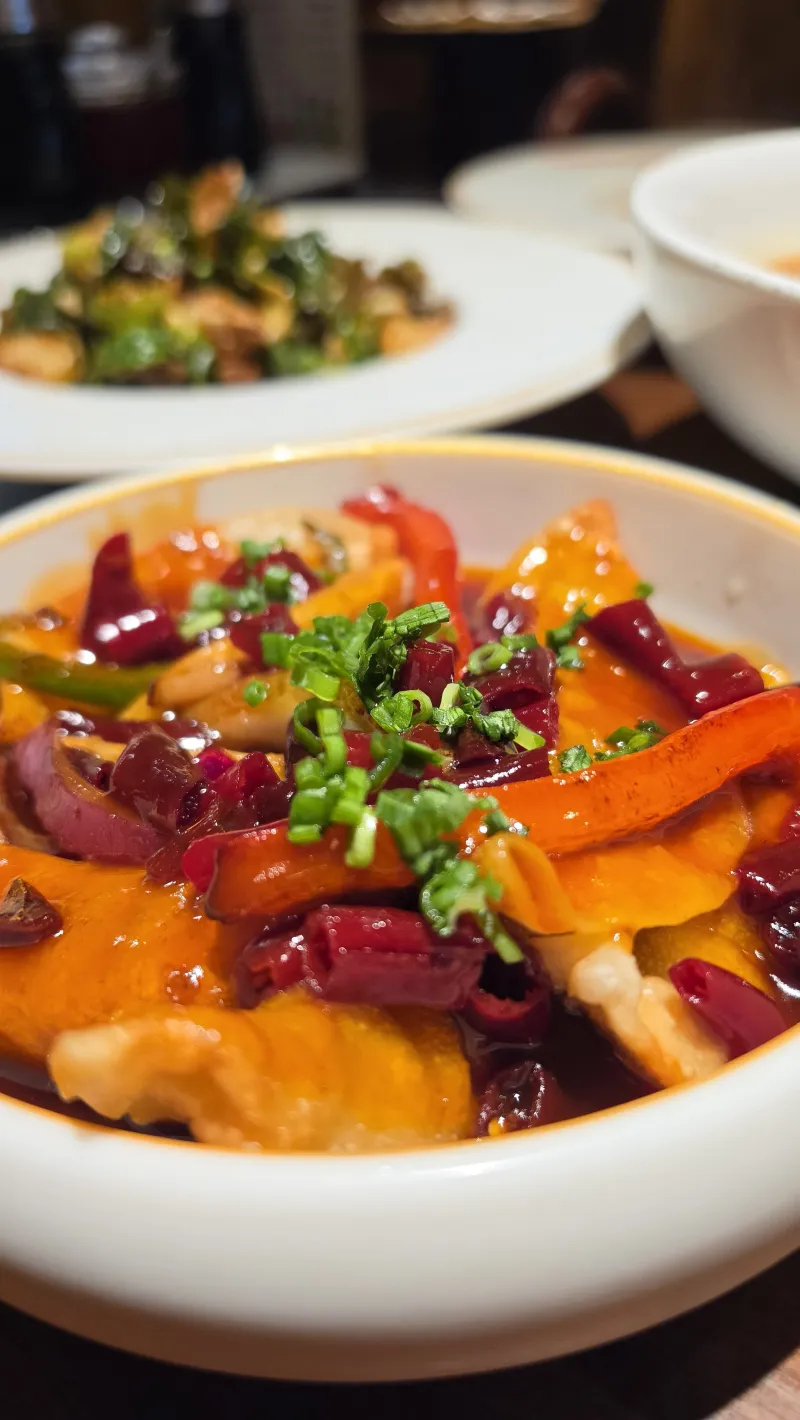
EVENING TOUR
03
Around the World in Acadiana Taste Tour
Travel around the world without leaving Lafayette Parish, with four restaurant stops spanning Asian, Latin, Mediterranean, and European flavors.

SWAMP TOUR AND MORE
04
All Day Cajun Experience
The experience includes a swamp boat tour, historic and cultural stops, a Cajun and Zydeco dance lesson, a downtown drive, transportation, lunch, boudin, and dessert.
Taste Étouffée the Guided Way
Want to explore Cajun food without planning every stop yourself? Cajun Food Tours offers several ways to sample local cuisine and learn about the communities behind it.
- Original Cajun Food Tour: A three-hour bus tour with five tasting stops at locally owned eateries. It’s a good option for travelers who want a broad introduction to Lafayette’s food scene.
- Breaux Bridge Walking Food Tour: A guided walk through historic downtown Breaux Bridge, combining local food with stories about the community. Check the tour calendar for current dates and availability.
- All-Day Cajun Food & Swamp Tour Experience: An eight-hour experience combining a visit to historic Vermilionville, a swamp boat tour, and a Cajun and Zydeco dance lesson. The tour requires a minimum of eight guests.
Contact Cajun Food Tours before booking if trying crawfish étouffée or Shrimp Étouffée is a priority since neither dish is guaranteed on every tour. You’ll get a chance to sample local food, hear stories from guides, and discover places you might otherwise miss. Allons manger! (Let’s go eat!).
Frequently Asked Questions
Is Louisiana étouffée very spicy?
Not necessarily. Some versions have noticeable cayenne heat, while others focus more on buttery, savory flavor. Ask your server about the spice level before ordering.
Can I eat étouffée if I have a shellfish allergy?
Étouffée commonly contains shellfish, particularly crawfish or shrimp, and seafood stocks may also contain shellfish ingredients. If you have a shellfish allergy, tell restaurant staff and ask about the ingredients and cross-contact risks. Avoid the dish if the restaurant cannot confirm that it is safe for you.
Is étouffée gluten-free?
Not always. Traditional recipes often use wheat flour in the roux, which means the sauce may contain gluten. If you avoid gluten, ask about the ingredients and the risk of cross-contact before ordering.
Is étouffée a starter or a main course?
Étouffée is usually served as a main course over rice, often in a generous bowl. Some restaurants also offer a cup-sized portion, making it easier to sample alongside other dishes.
Is étouffée kid-friendly?
It can be, depending on the child’s taste preferences and the dish’s seasoning. The sauce served over rice may appeal to children who enjoy mild, savory foods. Ask whether the restaurant can prepare a less spicy version.
Can I order étouffée with something other than crawfish or shrimp?
Sometimes. Some restaurants offer étouffée made with crab, chicken, or other ingredients. Ask what is available on the menu that day.